Xiaomi’s T-series has built a reputation for squeezing near-flagship specs into a more affordable package, and the jump from the Xiaomi 15T Pro to the Xiaomi 17T Pro is one of the biggest the line has seen in years. A new chipset, a much larger battery, and — for the first time on a T-series phone — a dedicated Leica periscope telephoto camera all headline the upgrade.
But is the 17T Pro worth the higher asking price, or does the 15T Pro still make sense if you can find it at a discount? Below we break down every major category side by side, with comparison tables you can scan at a glance.
Design & Build
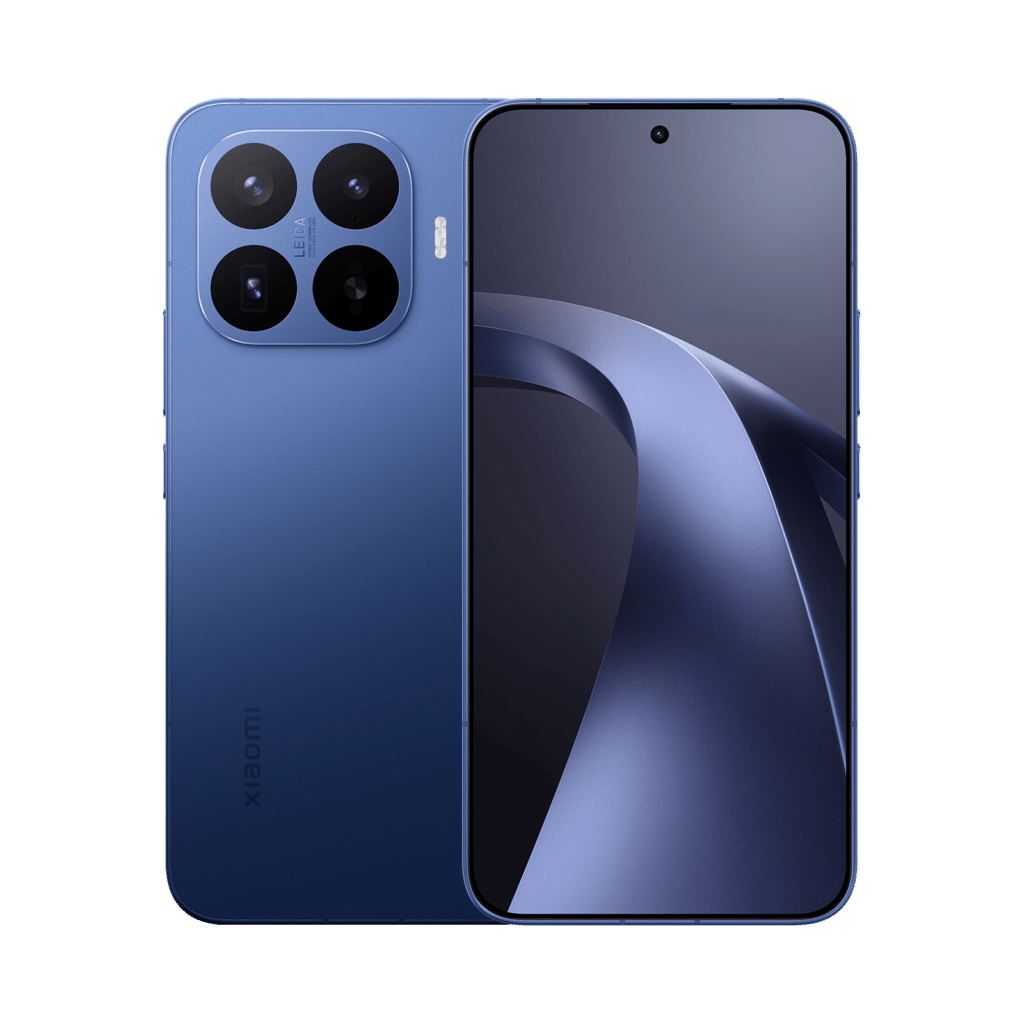
Both phones stick to Xiaomi’s familiar T-series formula: a flat 6.83-inch display, a rectangular camera island, and Gorilla Glass 7i protection up front.
The 17T Pro is slightly larger and heavier overall, a trade-off for the much bigger battery packed inside, but both models retain IP68 water and dust resistance.
| Feature | Xiaomi 17T Pro | Xiaomi 15T Pro |
|---|---|---|
| Dimensions | 162.2 x 77.5 x 8.25 mm | 162.7 x 77.9 x 8.0 mm. |
| Weight | 219 g | ~205 g |
| Front glass | Corning Gorilla Glass 7i | Corning Gorilla Glass 7i |
| Water/dust resistance | IP68 | IP68 |
| Build | Glass front and back, metal frame | Matte glass back, metal frame |
| Colours | Deep Blue, Deep Violet, Black | Mocha Gold, Black, Gray |
Similarities: Same screen size, same flat-display design language, same durable glass and water resistance. Differences: The 17T Pro is a touch bigger and noticeably heavier because of its larger battery cell, and it introduces new colourways.
Display Comparison
On paper, the two displays look extremely close — same size, same panel type, and the same 144Hz refresh rate. The 17T Pro pulls ahead mainly in peak brightness and touch responsiveness, which matters most for outdoor visibility and gaming.
| Feature | Xiaomi 17T Pro | Xiaomi 15T Pro |
|---|---|---|
| Size | 6.83″ AMOLED | 6.83″ AMOLED |
| Resolution | 1280 x 2772 px (1.5K) | 1280 x 2772 px (1.5K) |
| Refresh rate | Up to 144Hz | Up to 144Hz |
| Touch sampling | Up to 480Hz (3500Hz instant) | Up to 480Hz |
| Peak brightness | 3500 nits (UHBM) | 3200 nits |
| HDR support | HDR10+, Dolby Vision | HDR10+, Dolby Vision |
| Protection | Gorilla Glass 7i | Gorilla Glass 7i |
Similarities: Identical screen size, resolution, and refresh rate — most people won’t notice a difference in everyday use.
Differences: The 17T Pro is meaningfully brighter under direct sunlight and has a higher instantaneous touch sampling rate for gaming.
Xiaomi 17T Pro Camera vs Xiaomi 15T Pro
This is where the generational gap is most obvious.
Both phones use a Leica-tuned triple camera system with a 50MP main sensor, a 50MP periscope telephoto, and a 12MP ultrawide — but the 17T Pro’s main sensor is physically larger and brighter, and its telephoto reaches further with new AI zoom capabilities.
| Feature | Xiaomi 17T Pro | Xiaomi 15T Pro |
|---|---|---|
| Main camera | 50MP, f/1.67, 1/1.31″ Light Fusion 950, OIS | 50MP, f/1.62, 1/1.31″ Light Fusion sensor, OIS |
| Telephoto | 50MP, f/3.0, 115mm (5x), OIS, up to 120x AI zoom | 50MP, f/3.0, 115mm (5x), OIS, up to 100x digital zoom |
| Ultrawide | 12MP, f/2.2, 120° FOV | 12MP, f/2.2, 120° FOV |
| Front camera | 32MP | 32MP, 21mm |
| Video (rear) | 8K@30fps, 4K@120fps, HDR10+ | 8K@30fps, 4K@30/60/120fps, HDR10+ |
| Special features | Leica Live Moment, Leica Authentic/Vibrant styles, Movie mode (4K60 cinematic) | Leica Authentic/Vibrant styles, AISP 2.0 imaging pipeline |
Similarities: Both feature a 50MP main sensor co-tuned with Leica, a 50MP 5x periscope telephoto, and the same 12MP ultrawide.
Differences: The 17T Pro gets a brighter aperture on the main lens, a higher maximum AI zoom (120x vs 100x), 4K/120fps recording, and exclusive software extras like Leica Live Moment.
Software (Android, UI & Updates)
Both phones run Xiaomi’s HyperOS, but the 17T Pro launches on a newer Android version and should receive software support for longer simply by virtue of being released later.
The 15T Pro’s update window is one of the more commonly cited drawbacks in reviews.
| Feature | Xiaomi 17T Pro | Xiaomi 15T Pro |
|---|---|---|
| OS at launch | Android 16, HyperOS 3 | Android 15, HyperOS 3 |
| AI assistant | Xiaomi HyperAI, Google Gemini | Google Gemini, Xiaomi HyperAI |
Similarities: Both run HyperOS on top of Android with Xiaomi’s standard customization options, theming, and Google Gemini integration.
Differences: The 17T Pro ships with a newer Android version and a more advanced AI feature set out of the box, and being newer, it’s positioned for a longer remaining update lifecycle.
Storage Options
Storage configurations are nearly identical between the two generations, though the 17T Pro benefits from a newer UFS standard for faster read/write speeds.
| Feature | Xiaomi 17T Pro | Xiaomi 15T Pro |
|---|---|---|
| RAM | 12GB LPDDR5X | 12GB |
| Storage options | 256GB / 512GB / 1TB | 256GB / 512GB / 1TB |
| Storage type | UFS 4.1 | UFS 4.1 |
Similarities: Same RAM capacity and the same three storage tiers (256GB, 512GB, 1TB), with no microSD expansion on either model.
Differences: The 17T Pro uses the newer UFS 4.1 standard, which should offer a modest speed advantage for app loading and file transfers.
Battery
Battery life is arguably the single biggest upgrade in the 17T Pro. Xiaomi increased the cell size by 1,500mAh using a new silicon-carbon battery design while keeping the phone’s thickness in check, and also boosted wired charging speed.
| Feature | Xiaomi 17T Pro | Xiaomi 15T Pro |
|---|---|---|
| Battery capacity | 7000 mAh (silicon-carbon) | 5500 mAh |
| Wired charging | 100W | 90W |
| Wireless charging | 50W | 50W |
| Reverse wireless charging | 22.5W | Not specified |
Similarities: Both support fast wired charging plus 50W wireless charging, and neither includes a charger in the box in most regions.
Differences: The 17T Pro’s battery is roughly 27% larger and uses newer silicon-carbon cell technology, paired with faster 100W wired charging and added reverse wireless charging support.
Xiaomi 17T Pro vs 15T Pro: Price
Pricing has crept upward for the newer model, reflecting its upgraded chipset, camera, and battery. Both phones launched at the higher end of the “flagship killer” bracket, but the 17T Pro commands a noticeably higher starting price.
| Feature | Xiaomi 17T Pro | Xiaomi 15T Pro |
|---|---|---|
| Launch price (12/256GB, EU) | From €899 | From €799 |
| Approx. USD equivalent | ~$1,045 | ~$900 |
| Launch date | May 2026 | September 2025 |
Similarities: Both occupy the same “flagship killer” price segment, sitting below true flagship pricing while offering similar camera ambitions.
Differences: The 17T Pro launched roughly €100 higher than the 15T Pro did, and as the 15T Pro ages, expect its street price to drop further, potentially making it the better value pick for budget-conscious buyers.
Final Verdict
The Xiaomi 17T Pro is a clear step up over the 15T Pro in the areas that matter most for everyday use: a significantly bigger battery, a brighter and more capable camera system, faster charging, and a newer software base with a longer runway for updates. If you want the latest hardware and don’t mind paying a premium, it’s the better long-term buy.
That said, the Xiaomi 15T Pro remains a genuinely capable phone — the display, core camera setup, and overall design are still very close to its successor. If you find the 15T Pro at a discount, it’s still a strong “flagship killer” option, especially for anyone who doesn’t need the absolute latest in battery life or zoom range.
In short: choose the 17T Pro for the best all-round upgrade and longevity, or the 15T Pro if you can grab it at a meaningfully lower price and don’t mind slightly older software and a smaller battery.