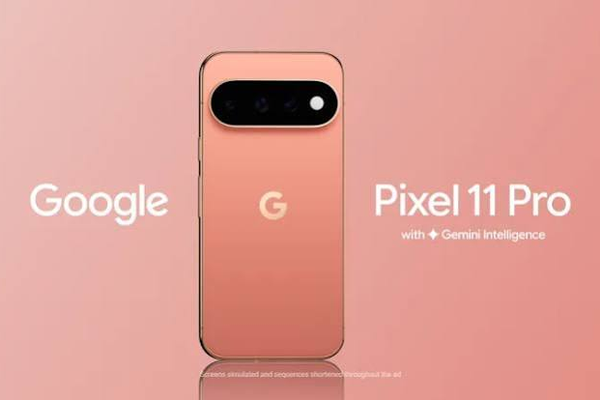
Android 17 — codenamed “Cinnamon Bun” — is officially rolling out, and it’s shaping up to be one of the most ambitious Android releases in years. From powerful multitasking upgrades to deep Gemini AI integration, here’s everything you need to know about Android 17.
Android 17 Release Date
The stable release of Android 17 officially began rolling out on June 17, 2026, alongside the June 2026 Pixel Drop. Google released it to Pixel 6 and newer devices first, with the Android 17 source code also being pushed to the Android Open Source Project (AOSP) simultaneously. Third-party manufacturers such as Samsung and OnePlus are expected to follow with their own builds throughout Q3 and Q4 2026.
Top New Features in Android 17
Android 17 delivers a substantial feature set that improves multitasking, privacy, content creation, and gaming. Here are the highlights:
App Bubbles
One of the biggest UI changes in Android 17 is App Bubbles, a new floating window system that lets you run any app in a small overlay on top of whatever you’re doing. Simply long-press any app icon in the launcher and select the Bubble option. On tablets and foldables, bubbles can be pinned to a dedicated bubble bar in the taskbar for easy organization.

Screen Reactions
Screen Reactions is a built-in content creation tool that lets you record your screen and yourself at the same time — no green screen, no third-party apps required. Android automatically removes your background and overlays your face onto the screen recording. You can move and resize the camera window, and even change the background colour on the fly. It works with both photos and videos.
New Location Permission Controls
Android 17 introduces a “one-time precise location” button, giving users far more granular control over app access. Apps can now request your precise location for a single session only — once you close the app, the permission expires. This eliminates repeated permission prompts while protecting your privacy.
Enhanced Security Features
- Biometric protections for lost or stolen phones
- PIN guessing limits, with enforced wait times between failed attempts
- Stricter background audio restrictions to prevent apps from silently accessing audio
App Memory Limits & Performance
Android 17 introduces strict app memory caps designed to eliminate UI stutters and improve overall smoothness — particularly on mid-range devices that have historically struggled with memory management.
Gaming Mode for Foldables
An upcoming dedicated gaming mode for foldables is also part of the Android 17 roadmap, taking advantage of large-screen form factors for an optimised gaming experience.
Which Google Pixel Devices Get Android 17 First?
Android 17 is rolling out to Pixel 6 and all newer Pixel devices, making Google’s lineup the first to receive the stable update. Here’s the full list of eligible Pixel devices:
- Pixel 6, Pixel 6 Pro, Pixel 6a
- Pixel 7, Pixel 7 Pro, Pixel 7a
- Pixel Fold
- Pixel 8, Pixel 8 Pro, Pixel 8a
- Pixel 9, Pixel 9 Pro, Pixel 9 Pro XL, Pixel 9 Pro Fold
- Pixel 10, Pixel 10 Pro, Pixel 10 Pro XL, Pixel 10 Pro Fold (first to receive full feature set)
Note: Google has extended software support for the Pixel 6, Pixel 6 Pro, and Pixel 6a. However, Android 17 will be the final major OS update for these devices.
Gemini AI Features in Android 17
The biggest AI story in Android 17 is Gemini Intelligence — a system-level AI layer built directly into the OS that enables Gemini to understand your context and take action across apps autonomously.
What Gemini Intelligence Can Do
- Rambler – Gboard’s upgraded voice-to-text engine that filters filler words, handles self-corrections, and processes multilingual input in real time
- Create My Widget – Generate custom home screen widgets using natural language, pulling data from Gmail, Google Calendar, and Google Keep
- Multi-step app automation – Hands-free task completion across apps, including form filling, content drafting, and Chrome assistance
- Intelligent Autofill – Context-aware form completion that understands what you’re doing
Which Pixel Devices Support Gemini Intelligence?
Gemini Intelligence has steep hardware requirements: a flagship-grade chipset, at least 12 GB of RAM, and support for Gemini Nano v3. This rules out most existing Pixel devices, including the entire Pixel 9 series (which runs Gemini Nano v2).
Currently, only the following Pixel devices qualify:
- Pixel 10
- Pixel 10 Pro
- Pixel 10 Pro XL
- Pixel 10 Pro Fold
The Pixel 10a, despite being a 2026 device, ships with only 8 GB of RAM and does not qualify. Gemini Intelligence is not included in today’s initial Android 17 stable release — Google has confirmed it will roll out to qualifying devices later in Summer 2026.
Should You Update to Android 17?
If you own a supported Pixel device, absolutely. Android 17 brings meaningful real-world improvements in multitasking, privacy, and content creation that most users will notice immediately.
Pixel 10 owners will also be first in line for the full Gemini Intelligence experience when it rolls out later this summer.
For users on older Pixels (6 through 9 series), the update still delivers a solid upgrade — just without the headline Gemini Intelligence features. The Android 17 rollout for non-Pixel brands like Samsung (One UI 9) and OnePlus (OxygenOS 16) is expected to begin in late Q3 2026.