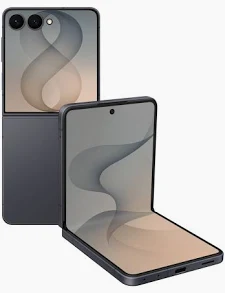
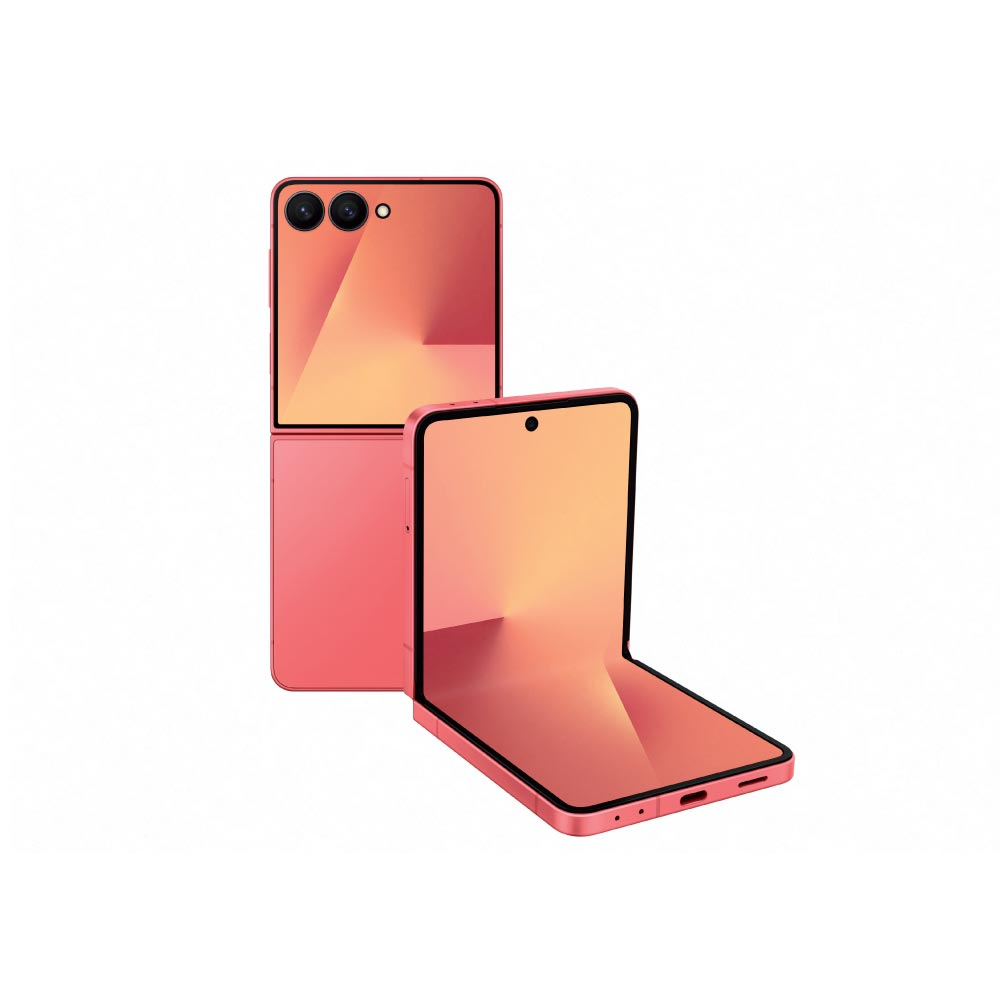
Samsung continues to refine its foldable smartphones with the Galaxy Z Flip 8, building upon the foundation laid by the Galaxy Z Flip 7. While both devices maintain Samsung’s iconic clamshell foldable design, the newer model introduces several improvements in performance, battery efficiency, Galaxy AI capabilities and software experience.
If you’re wondering whether the Galaxy Z Flip 8 is worth buying over the Flip 7—or whether Flip 7 owners should upgrade—this detailed comparison covers every major difference.
Samsung Galaxy Z Flip 8 vs Flip 7 Specifications
| Feature | Samsung Galaxy Z Flip 8 | Samsung Galaxy Z Flip 7 |
|---|---|---|
| Display | 6.9-inch AMOLED Foldable, 120Hz | 6.9-inch AMOLED Foldable, 120Hz |
| Cover Display | 4.1-inch Super AMOLED | 4.1-inch Super AMOLED |
| Processor | Exynos 2600 (2nm) | Exynos 2500 (3nm) |
| RAM | 12GB | 12GB |
| Storage | 256GB / 512GB | 256GB / 512GB |
| Rear Cameras | 50MP + 12MP Ultra-wide | 50MP + 12MP Ultra-wide |
| Front Camera | 10MP | 10MP |
| Battery | 4,300mAh | 4,300mAh |
| Charging | 25W Wired, 15W Wireless | 25W Wired, 15W Wireless |
| Software | Android 17 + One UI 9 | Android 16 + One UI 8 |
| Galaxy AI | Expanded AI Suite | First-generation Galaxy AI |
Design and Dimensions
Samsung has kept the successful formula of the Flip series while refining durability and ergonomics on the Galaxy Z Flip 8.
| Design | Galaxy Z Flip 8 | Galaxy Z Flip 7 |
|---|---|---|
| Build | Armor Aluminium Frame | Armor Aluminium Frame |
| Cover Glass | Gorilla Glass Victus 2 | Gorilla Glass Victus 2 |
| Water Resistance | IP48 | IP48 |
| Foldable Hinge | Improved Armor FlexHinge | Armor FlexHinge |
| Thickness (Folded) | Slightly thinner (13.1 mm) | Slightly thicker(13.7 mm) |
| Weight | Slightly lighter (180 g) | Slightly heavier (188 g) |
| Colours | New 2026 colour options | 2025 colours |
The overall appearance remains instantly recognizable. Both devices feature nearly identical displays and premium construction, but Samsung has refined the hinge mechanism on the Flip 8, allowing a smoother fold and reducing the visibility of the display crease.
The slightly thinner body and lighter weight also improve one-handed usability without dramatically changing the familiar Flip design.
For most users, the design differences are evolutionary rather than revolutionary.
Battery Life
Battery life has been one of the biggest areas of improvement.
| Battery | Galaxy Z Flip 8 | Galaxy Z Flip 7 |
|---|---|---|
| Capacity | 4,300mAh | 4,300mAh |
| Wired Charging | 25W | 25W |
| Wireless Charging | 15W | 15W |
| Reverse Wireless Charging | Yes | Yes |
| Battery Efficiency | Improved | Good |
Although charging speeds and battery capacity remain unchanged, Samsung has put a more efficient chipset, and One UI optimizations to improve battery life.
In daily use, the Flip 8 lasts noticeably longer, particularly for users who spend significant time on social media, video streaming, photography and Galaxy AI features. Heavy users may gain an extra one to two hours of screen-on time compared to the Flip 7.
The larger battery is one of the most meaningful hardware upgrades this generation.
Chipset and Performance
Performance improvements come primarily from software optimisation rather than massive hardware gains.
| Performance | Galaxy Z Flip 8 | Galaxy Z Flip 7 |
|---|---|---|
| Processor | Exynos 2600 (2nm) | Exynos 2500 (3nm) |
| RAM | 12GB | 12GB |
| Storage | 256GB / 512GB | 256GB / 512GB |
| AI Processing | Improved NPU optimisation | Previous generation NPU tuning |
| Gaming | Better sustained performance | Excellent |
Samsung has further optimized the Flip 8’s thermal management and AI processing, allowing better sustained performance during gaming, multitasking and on-device AI tasks.
For everyday activities such as browsing, messaging, editing photos and multitasking, both devices feel equally fast. The Flip 8’s advantage becomes more noticeable during prolonged gaming sessions or intensive AI-powered features.
Camera Specifications
Samsung has retained the proven camera hardware while improving image processing.
| Camera | Galaxy Z Flip 8 | Galaxy Z Flip 7 |
|---|---|---|
| Main Camera | 50MP | 50MP |
| Ultra-wide | 12MP | 12MP |
| Front Camera | 10MP | 10MP |
| Optical Image Stabilisation | Yes | Yes |
| Video Recording | Up to 4K 60fps | Up to 4K 60fps |
| AI Photography | Enhanced | Standard Galaxy AI |
The camera hardware is effectively identical between both generations. The improvements come through Samsung’s newer computational photography algorithms.
The Galaxy Z Flip 8 delivers slightly better low-light performance, improved HDR, more natural skin tones and faster subject recognition. AI editing tools have also become smarter, producing cleaner object removal, improved portrait processing and more realistic image enhancements.
Photography enthusiasts should not expect dramatic improvements, but everyday users will appreciate the subtle refinements.
Galaxy AI and One UI 9 New Features
Software is arguably where the Galaxy Z Flip 8 separates itself the most.
| AI & Software | Galaxy Z Flip 8 | Galaxy Z Flip 7 |
|---|---|---|
| Operating System | One UI 9 (Android 17) | One UI 8 (Android 16) |
| Gemini Integration | Improved | Available |
| Live Translate | Faster | Yes |
| Writing Assist | Improved | Yes |
| AI Photo Editing | Enhanced | Standard |
| Audio Eraser | Improved | Basic |
| Cover Screen AI | Expanded functionality | Limited |
| Multitasking | Better Flex Mode enhancements | Standard Flex Mode |
One UI 9 introduces a more intelligent experience throughout the operating system. Galaxy AI now understands context more effectively, performs faster on-device processing and offers improved productivity features.
Some notable improvements include:
- Smarter Gemini integration throughout the interface
- Better AI writing assistance
- More accurate photo editing
- Improved voice transcription
- Faster Live Translate
- Expanded AI features on the FlexWindow
- More intelligent app suggestions
- Better multitasking while folded
For users who frequently rely on Samsung’s AI ecosystem, the Flip 8 offers a noticeably richer experience.
Price
| Feature | Galaxy Z Flip 8 | Galaxy Z Flip 7 |
|---|---|---|
| Starting Price (256GB) | $1,200 / ~€1,299 | ~$1,099 / €1,199 |
| 512GB Price | ~€1,499 | ~€1,319 |
| Price Increase | ~$100 / €100+ | — |
Samsung has kept pricing broadly in line with previous generations. However, the Galaxy Z Flip 7 is now widely available at discounted prices, making it a compelling value option for buyers entering the foldable market.
Unless the additional AI features and battery improvements are priorities, the price difference may favour the older model.
Final Verdict: Should You Upgrade?
The Galaxy Z Flip 8 represents a classic iterative smartphone upgrade. Rather than reinventing the Flip series, Samsung has focused on refining nearly every aspect of the user experience.
Upgrade to the Galaxy Z Flip 8 if you:
- Want longer battery life
- Frequently use Galaxy AI features
- Value the newest One UI features
- Plan to keep your phone for several years
- Want the most polished Flip experience available
Keep the Galaxy Z Flip 7 if you:
- Are satisfied with current battery life
- Mainly use your phone for everyday tasks
- Rarely use AI features
- Want to save money
- Already own the Flip 7
For existing Galaxy Z Flip 7 owners, the upgrade is incremental rather than essential. The improvements are real but mostly evolutionary.
Unless battery longevity and Samsung’s latest AI enhancements are especially important to your workflow, waiting for the next major generation may provide better value.
However, for buyers choosing between the two today, the Galaxy Z Flip 8 is the superior overall package thanks to its improved battery endurance, more polished software, smarter Galaxy AI features and refined foldable experience. If the price difference is modest, the newer model is the better long-term investment, while the discounted Galaxy Z Flip 7 remains an excellent alternative for budget-conscious buyers.