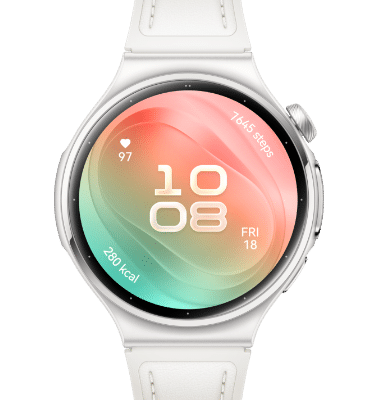
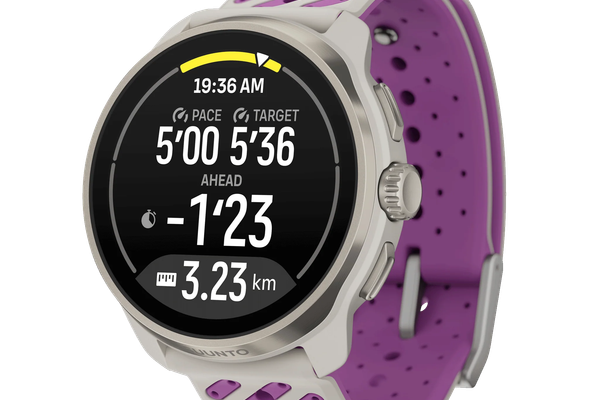
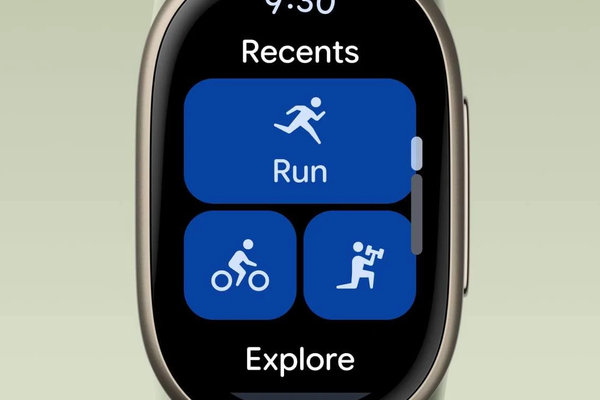
The Huawei Watch series has always bridged the gap between a classic timepiece and a modern health companion. With the launch of the Huawei Watch 6, Huawei has refined a formula that was already polished in the Watch 5. But unlike the GT series, which leans heavily into rugged outdoor performance, the numbered Watch lineup is about everyday elegance, comprehensive health tracking, and smart connectivity.
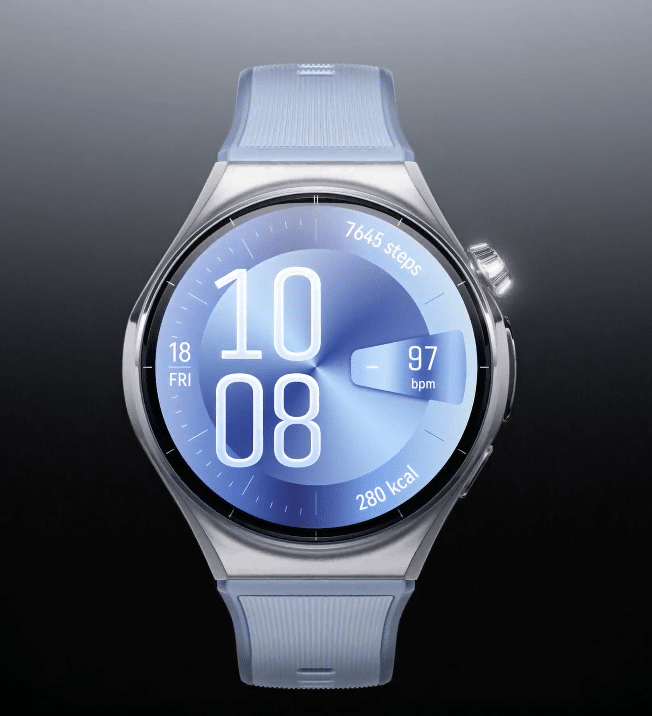
So, what exactly has changed between the Watch 5 and the Watch 6? Is the newer model a must-buy, or is the Watch 5 still the smarter choice? Let’s break down the differences across design, health tracking, sports features, and battery life.
At a Glance: Key Differences
Design & Dimensions: Lighter Options, Subtle Refinements
Physical Specifications
The most tangible design change is the weight reduction in the smaller model. The 42mm Watch 6 weighs just 38 grams (excluding the strap), making it Huawei’s lightest watch yet. The 42mm Watch 5, by comparison, starts at around 48–51 grams depending on the material. The 46mm models remain similar in heft, with the Watch 6 tipping the scales at roughly 60 grams.
Build Quality and Materials
Huawei has adjusted the material strategy for the Watch 6. The 46mm version now uses a stainless steel front case paired with a polymer composite back, whereas the Watch 5 offered a premium aerospace-grade titanium option for its 46mm model.
The 42mm Watch 6 uses an aluminum alloy frame, keeping it light and accessible. Both watches retain the signature domed sapphire glass, offering excellent scratch resistance and a premium look.
What’s New in the Watch 6?
Beyond the weight savings, the Watch 6 introduces a slightly more refined LTPO 2.0 display and a conical rotating crown that is easier to grip and operate at an angle. The haptic feedback has also been improved, providing a more tactile response during interactions.
Take Home: If you have smaller wrists or prioritize all-day comfort, the 38-gram 42mm Watch 6 is a compelling upgrade. For those who prefer the cool feel of titanium, the Watch 5 still holds a material advantage.
Health Tracking Features: Smarter, Faster Sensing
The X-TAP Evolution
The original X-TAP sensor on the Watch 5 was a breakthrough, allowing users to place a finger on the side of the case to get a quick health snapshot in about 60 seconds, covering metrics like heart rate variability, SpO2, and ECG.
The Huawei Watch 6 introduces an upgraded X-TAP 2.0. This new sensor combines a 12-channel PPG sensor with a highly responsive pressure sensor, which Huawei claims doubles the overall responsiveness of the system. In practice, this means faster and potentially more accurate readings.
Huawei watch 6 vs Watch 5 Health Metrics
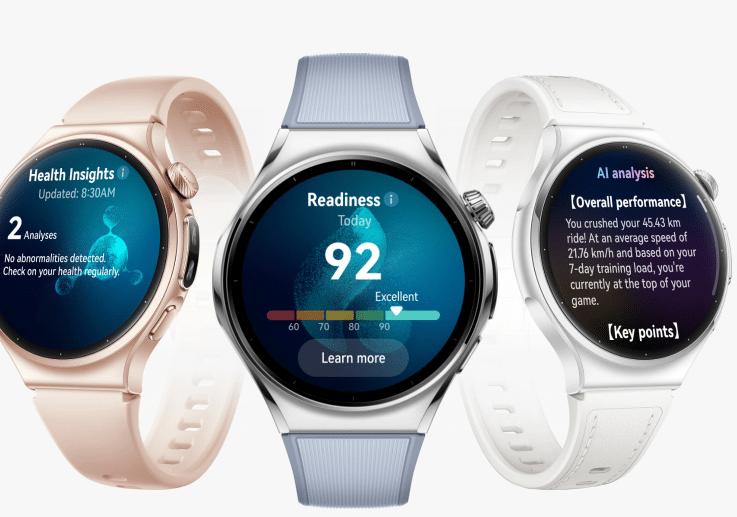
The Watch 6’s “Health Glance” feature has been expanded to cover up to 11 health indicators (and up to 20 in some software versions), analyzing data across four major body systems. It also adds new wellness tools such as:
- Morning Briefing: A daily summary of your health status upon waking
- Readiness Tracking: A daily score to help you balance activity and recovery
- Health Insights: Personalized recommendations based on your long-term data
Both watches support ECG analysis, continuous SpO2 monitoring, skin temperature tracking, and sleep analysis, ensuring a comprehensive health picture regardless of which model you choose.
Verdict: The Watch 5 was already a health-tracking powerhouse. The Watch 6 refines the experience with faster sensors and more actionable, AI-driven insights. The core metrics remain the same, but the delivery is more polished.
Sports Features: Familiar Territory with Refinements
Shared Sports Capabilities
Both watches are excellent fitness companions. They support over 100 sports modes, including running, cycling, swimming, golf, skiing, and more. Both feature dual-band, five-system GPS for accurate route tracking, even in challenging environments like dense cities or forests.
They also share 5 ATM water resistance and IP69 ratings, making them suitable for swimming and high-pressure water exposure.
What’s New in the Huawei Watch 6?
The sports upgrades on the Watch 6 are more about refinement than reinvention. The improved X-TAP 2.0 sensor enables faster on-the-fly health checks during workouts, allowing you to quickly assess your recovery or readiness without navigating deep into menus. The improved GPS algorithms inherited from Huawei’s broader ecosystem also ensure slightly more reliable route tracking.
Verdict: If you’re a serious athlete, neither watch is a dedicated sports watch like the GT series. However, both offer more than enough accuracy and versatility for everyday fitness enthusiasts. The Watch 6’s faster sensor response is a nice quality-of-life improvement during training.
Battery Life: A Near-Identical Experience
Battery performance is virtually unchanged between generations. The 46mm models of both the Watch 5 and Watch 6 are rated for up to 4.5 days of typical usage. With the Always-On Display (AOD) enabled, this drops to around 3 days.
The smaller 42mm variants offer up to 3 days of typical use, extending to about 7 days in battery saver mode. Both watches support wireless fast charging, with a full charge taking approximately 60 minutes.
Verdict: There is no meaningful battery difference between the two generations. If battery life is your primary concern, both watches will perform equally well, keeping you powered for several days between charges.
Final Verdict: Which One Should You Buy?
Choose the Huawei Watch 6 if:
- You want the lightest possible smartwatch (the 42mm model at 38g is a featherweight)
- You value faster health readings and the most advanced X-TAP 2.0 sensor
- You want the latest AI-powered health insights like Morning Briefing and Readiness Tracking
- You prefer the slightly more refined display and haptic feedback
- You want the peace of mind of the newest software and long-term update support
Choose the Huawei Watch 5 if:
- You want premium titanium construction in the 46mm model (the Watch 6 uses stainless steel)
- You can find it at a significant discount now that it’s a generation older
- You’re happy with the already excellent health tracking and don’t need the incremental speed improvements
- You prefer the slightly larger overall dimensions and weight distribution of the older model
Bottom Line
The Huawei Watch 6 is a refinement, not a revolution. It takes the already excellent foundation of the Watch 5 and makes it lighter, slightly faster, and more insightful. The headline change is the 38-gram 42mm model, which is a genuine comfort upgrade for smaller wrists.
However, if you already own a Watch 5, there is no urgent reason to upgrade unless you specifically want the lighter 42mm form factor or the newest health software features.
For new buyers, the Watch 6 is the more future-proof choice, but a discounted Watch 5—especially the titanium 46mm variant—remains an excellent value proposition.