The Google Fitbit Edge fills a useful gap in Google’s wearables lineup: a fitness tracker with a screen, built-in GPS and longer battery life than its flagship smartwatch.
Positioned between the screenless Fitbit Air and Google Pixel Watch 5, it gives you more information on your wrist without the flagship price.
Here is everything you need to know about the Google Fitbit Edge release date, price, specifications and features—and how it compares with Google’s other wearables.
Google Fitbit Edge release date and price
Google announced the Fitbit Edge on October 12, 2026, opening preorders the same day. Its retail release date is October 27, 2026.
The standard model costs $179.99 in the US, while the Stephen Curry Special Edition costs $219.99. Purchases include a three-month Google Health Premium trial, subject to offer terms. Pricing and availability depend on your market. Source: Google’s announcement.
Where does Fitbit Edge sit in Google’s wearables lineup?
Google now offers three distinct approaches to everyday health tracking:
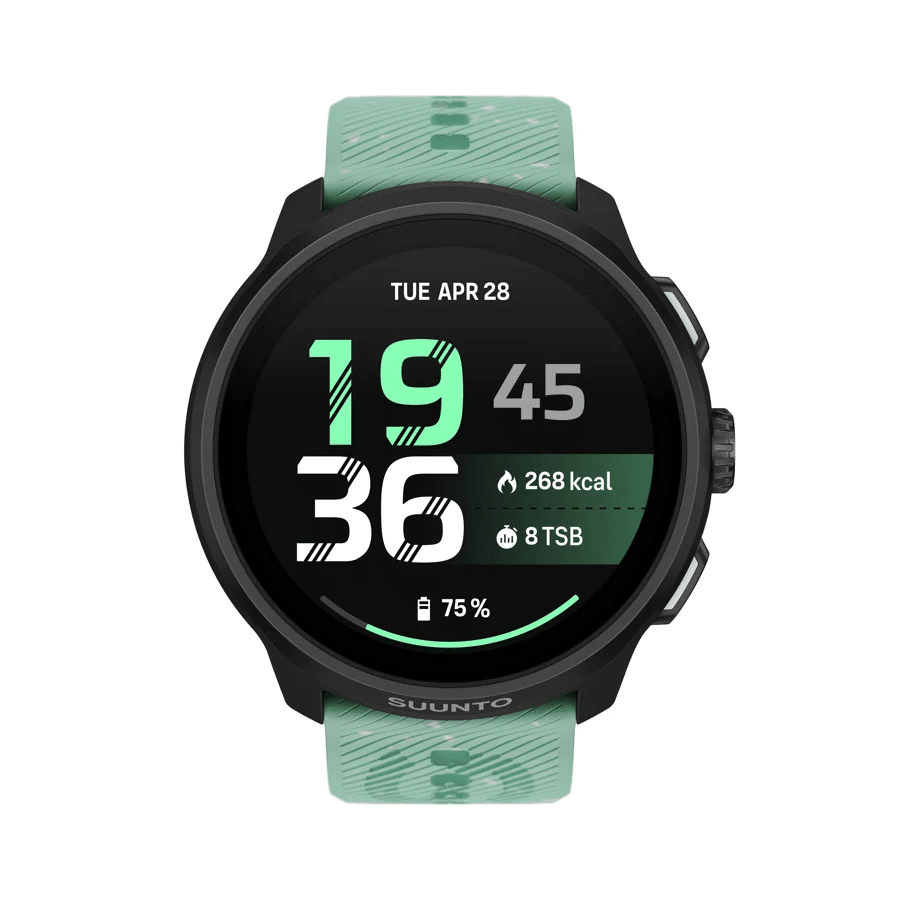
- Fitbit Air: The affordable, screenless option for people who prefer checking their data on a phone.
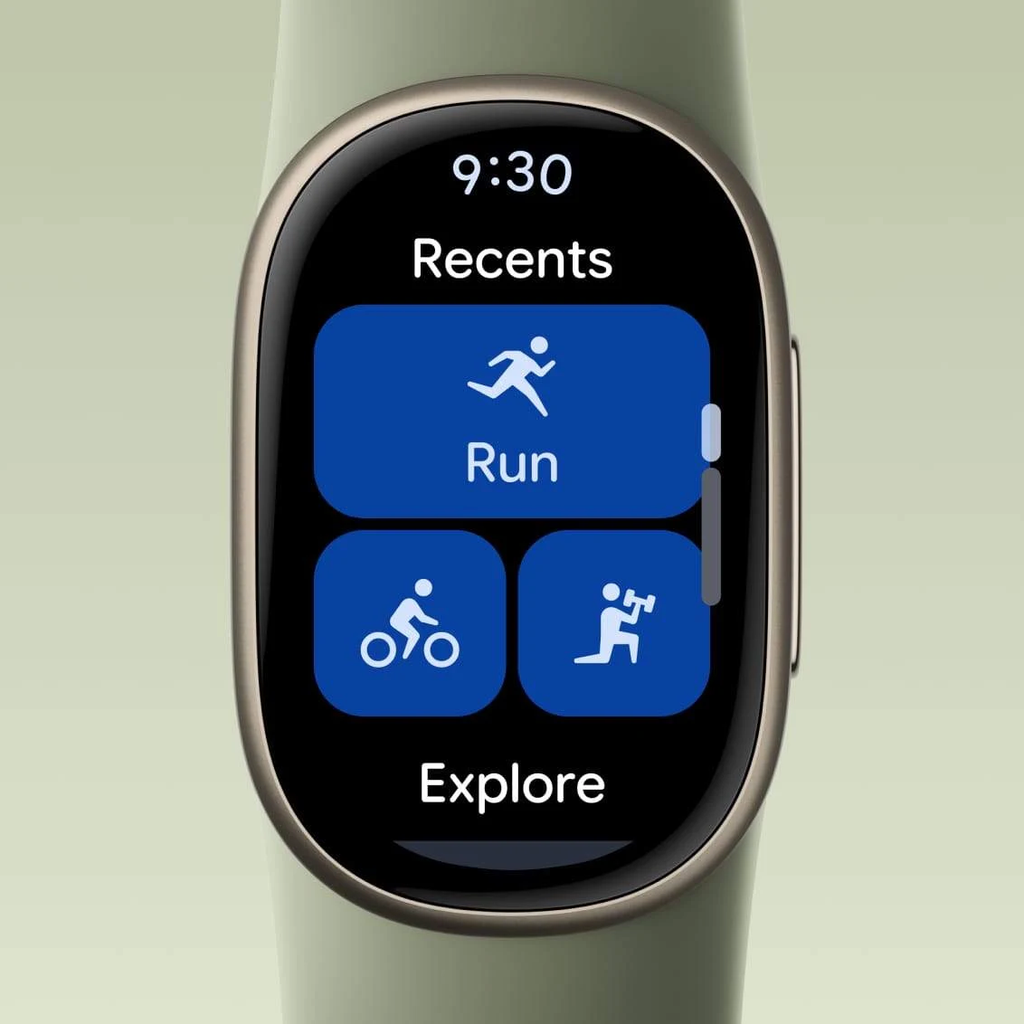
- Fitbit Edge: The middle option, adding a display, built-in GPS tracking and an ECG app.
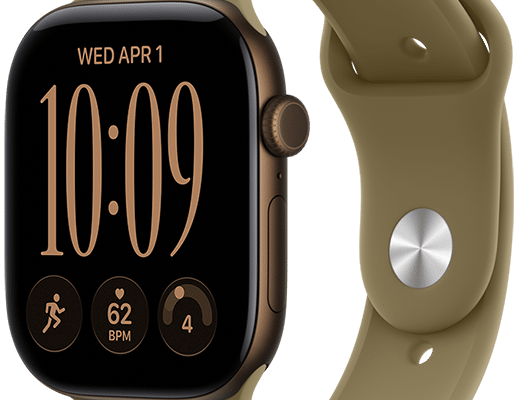
- Pixel Watch 5: The premium smartwatch, with Wear OS apps, richer connectivity and additional health and safety tools.
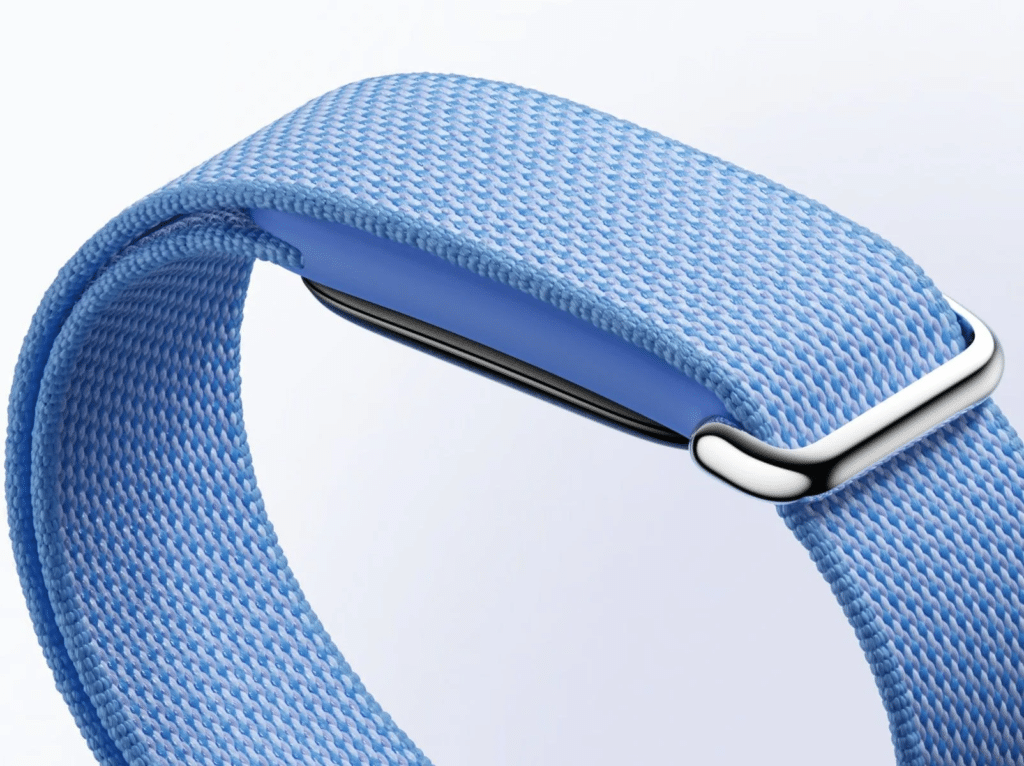
The Edge’s appeal is straightforward: it brings useful workout information to your wrist while retaining a compact fitness-tracker design.
For a closer look at the screenless alternative, read our Fitbit Air review. The key buying question is whether you want your tracker to quietly collect information or let you interact with it throughout the day.
Fitbit Edge vs Fitbit Air vs Pixel Watch 5: specs comparison
| Specification | Fitbit Air | Fitbit Edge | Pixel Watch 5 |
|---|---|---|---|
| Starting US price | $99.99 | $179.99 | $399.99 |
| Display | Screenless | 1.34-inch AMOLED; always-on option | Actua 360 AMOLED LTPO; 3,000-nit peak brightness |
| Size | 34.9 × 17 × 8.3mm | 39.22 × 25.56 × 11.58mm | 41mm or 45mm case |
| Weight without band | 5.2g | 17.7g | 31g / 36.7g |
| GPS | Connected GPS through phone | Built-in GPS | Dual-frequency GPS |
| Quoted battery life | Up to seven days | Up to seven days* | Up to 30 / 40 hours with always-on display |
| ECG app | No | Yes, where available | Yes, where available |
| Phone compatibility | Android 11+; iOS 16.4+ | Android 11+; iOS 16.4+ | Android 12+ |
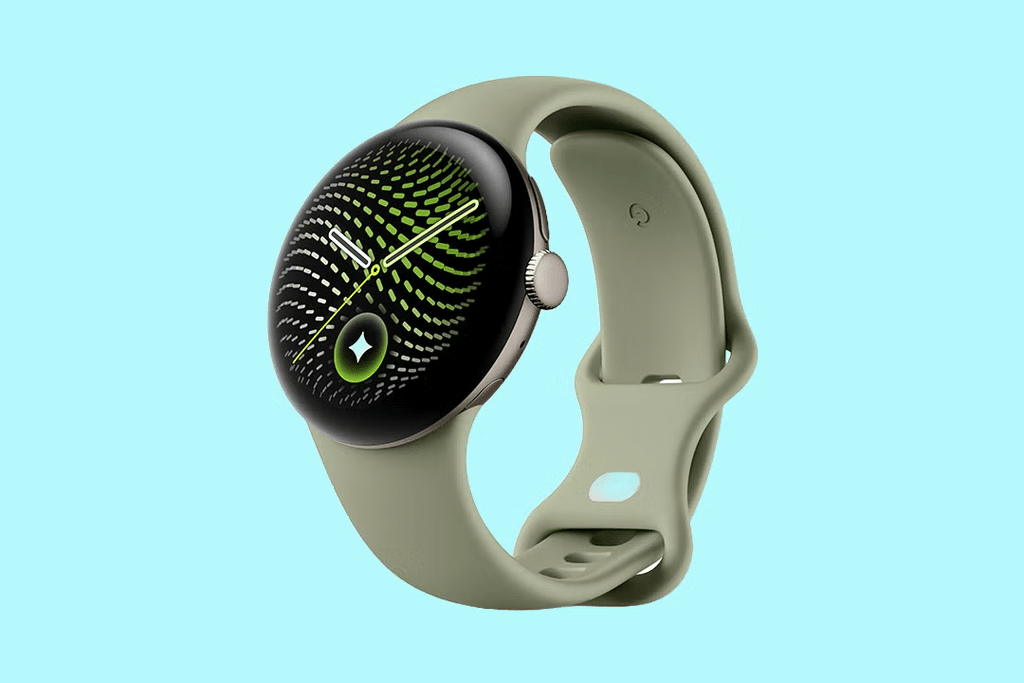
Pixel Watch figures follow 41mm / 45mm order. *The Edge’s maximum battery claim uses Google’s Battery Saver test profile; actual runtime varies.
Google Fitbit Edge design, display and battery
A screen makes the biggest difference
Google describes the Edge’s screen as Hybrid OLED and says it offers 46% more viewing area than previous Fitbit trackers. Tiles show health information, while customizable clock faces keep useful stats visible. A mechanical side button provides tactile control during workouts.
Compared with Fitbit Air, the practical benefit is immediate: you can check your progress without opening your phone. However, Air remains considerably lighter, which could matter if comfortable overnight tracking is your main priority.
Week-long battery claims and a replaceable battery
The Edge’s 65mAh battery can reach a full charge in about 90 minutes, with a five-minute charge providing up to one day’s use when depleted.
Its battery is user-replaceable, giving owners a way to extend the device’s life. The recycled aluminum housing carries 5 ATM water resistance and an IP68 rating.
Battery performance depends on settings and usage, including GPS and the always-on display. Even allowing for those variables, the quoted endurance is a major difference from Pixel Watch 5.
Fitbit Edge health and fitness features
Built-in GPS and workout tracking
Built-in GPS lets the Edge record outdoor routes without carrying your phone, whereas Fitbit Air relies on connected GPS. An altimeter tracks elevation and floors climbed.
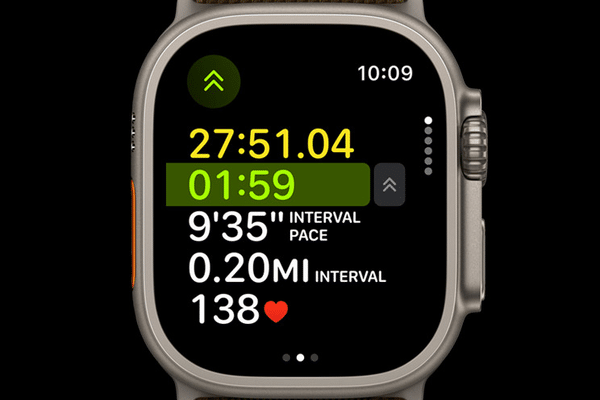
During exercise, the screen provides live metrics and visual guidance. Afterward, you can check a workout summary.
Google’s October software update also expands automatic activity detection to more than 100 activities across Fitbit Air, Fitbit Edge and Pixel Watch 5 later this month. This shared improvement means automatic tracking alone is less of a reason to upgrade from Air.
Heart health, sleep and recovery
The Edge includes optical heart-rate tracking, SpO2 sensors, skin-temperature sensing, sleep tracking, heart-rate variability insights, Readiness and Cardio Load.
Air already covers many of these essentials, including heart rate, sleep and temperature variation. The Edge’s ECG app adds an on-demand heart-rhythm assessment that Air lacks. Availability depends on country and eligibility.
Pixel Watch 5 goes further with a cEDA sensor for body-response tracking, plus supported safety features such as Loss of Pulse Detection and Fall Detection. Those capabilities help explain its higher price
Google Health Coach and upcoming Health Guardian tools
All three devices work with Google Health Coach, powered by Gemini, through Google Health Premium. It offers adaptive fitness plans, sleep insights and personalized guidance.
Upcoming Health Guardian features bring monthly blood-pressure and insulin-resistance trends to Air and Edge later in October. Reports require sufficient wear time, and these wellness trends are not real-time clinical measurements.
Smart features and phone compatibility
The Edge adds phone notifications, message quick replies and media controls. Google Maps directions are announced but currently unavailable (coming soon). Like Air, it supports compatible Android phones and iPhones, requires a Google account and uses the Google Health app.
Pixel Watch 5 runs Wear OS 7 and offers Google Play apps, Google Wallet, voice interaction with Gemini and an optional LTE model. Its built-in microphone and speaker support calls. The Edge lacks Google Wallet and LTE, so Google’s full smartwatch remains the more versatile option.
Which Google wearable should you choose?
- Choose Fitbit Air if low weight, a lower price and screenless tracking are your priorities.
- Choose Fitbit Edge if you want visible workout stats, built-in GPS and ECG while keeping a compact tracker format.
- Choose Pixel Watch 5 if apps, payments, calls and broader health and safety features matter most.
Based on its announced specifications, the Google Fitbit Edge looks well placed for buyers who want more control than Air provides and less frequent charging than Pixel Watch 5 requires.