The Xiaomi 17T vs 15T comparison brings three clear changes: a smaller display, a larger battery and a longer telephoto lens. The 2026 model follows the 2025 Xiaomi 15T, despite the jump in its model number.
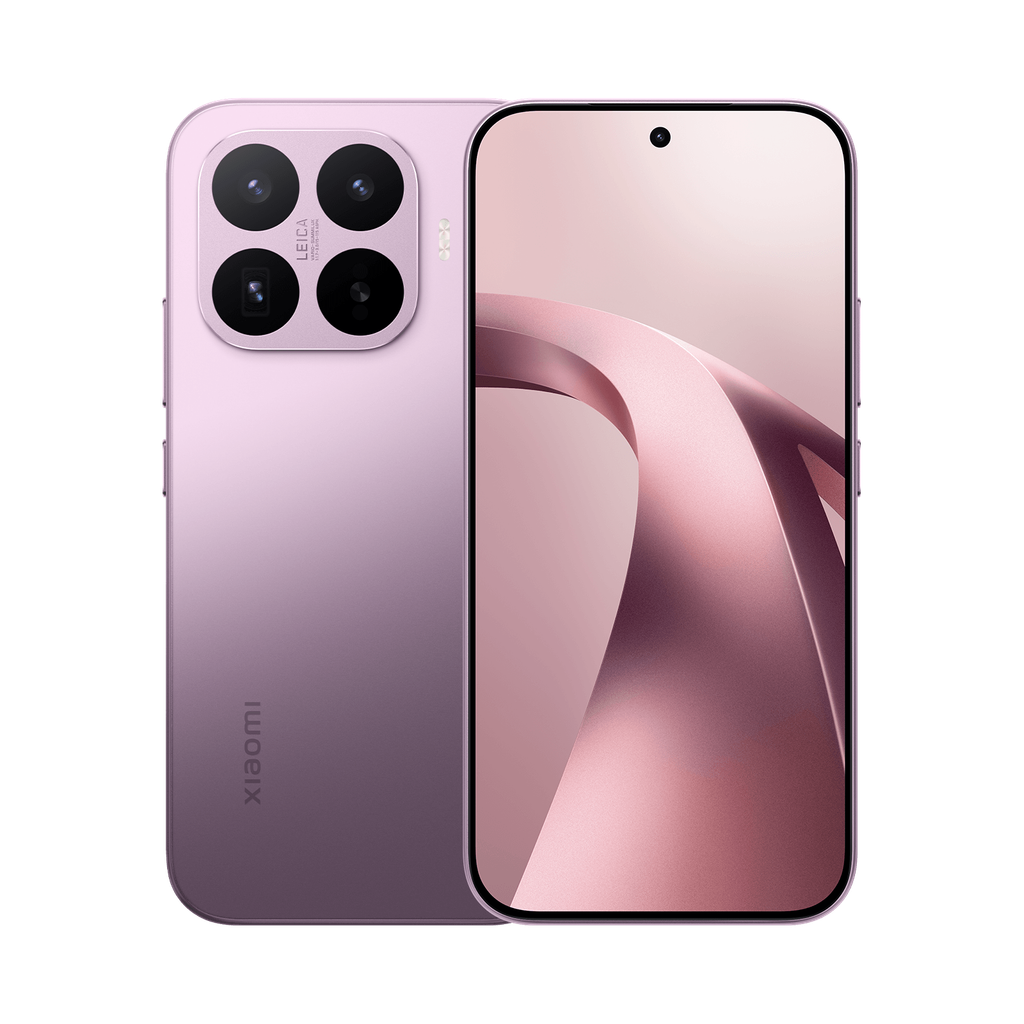
Several features remain familiar, including 12GB RAM, 67W wired charging and a triple rear camera system with Leica imaging features. The changes are easier to see when size, camera reach and battery capacity are considered separately.
Design and Build: Smaller Footprint, More Thickness
The Xiaomi 17T measures 157.6 × 75.2 × 8.17mm, compared with 163.2 × 78 × 7.5mm for the 15T. The newer phone is 5.6mm shorter and 2.8mm narrower, but 0.67mm thicker. That makes it a more compact shape without making it a thinner one.
Weight rises from 194g to 200g. The smaller footprint may suit one-handed use, while the extra thickness and weight reflect a different physical balance. Both carry an IP68 rating. Gorilla Glass 7i remains the display protection, so the change in size is more obvious than a change in the glass branding.
| Feature | Xiaomi 17T | Xiaomi 15T |
|---|---|---|
| Dimensions | 157.6 × 75.2 × 8.17mm | 163.2 × 78 × 7.5mm |
| Weight | 200g | 194g |
| Protection rating | IP68 | IP68 |
| Display glass | Gorilla Glass 7i | Gorilla Glass 7i |
Display: 6.59 Inches Replaces 6.83 Inches
The 17T has a 6.59-inch AMOLED display, down from 6.83 inches on the 15T. Both support refresh rates up to 120Hz, Dolby Vision and HDR10+, retaining the same broad display features in different sizes.
Resolution changes from 2772 × 1280 to 2756 × 1268 pixels. Because the newer panel is smaller, pixel density rises from around 447ppi to 460ppi. The 17T therefore has fewer total pixels but a slightly denser display. The practical trade-off is less physical screen area in exchange for a narrower, shorter phone; this is not simply a larger-screen upgrade.
| Feature | Xiaomi 17T | Xiaomi 15T |
|---|---|---|
| Screen | 6.59-inch AMOLED | 6.83-inch AMOLED |
| Resolution | 2756 × 1268 | 2772 × 1280 |
| Pixel density | 460ppi | Approx. 447ppi |
| Refresh rate | Up to 120Hz | Up to 120Hz |
Processor: Dimensity 8500-Ultra Takes Over
The Dimensity 8500-Ultra replaces the Dimensity 8400-Ultra. Both use a 4nm process and an octa-core CPU, while the graphics configuration changes from Mali-G720 MC7 to Mali-G720 MC8.
The newer graphics configuration is a hardware difference, but it does not translate directly into a fixed improvement for every game. Resolution settings, cooling and software also affect sustained performance.
The 17T includes Xiaomi’s 3D IceLoop cooling system and uses LPDDR5X memory with UFS 4.1 storage. Its platform changes sit alongside the familiar 12GB RAM capacity rather than replacing that capacity with a larger figure.
| Feature | Xiaomi 17T | Xiaomi 15T |
|---|---|---|
| Chipset | Dimensity 8500-Ultra | Dimensity 8400-Ultra |
| Manufacturing process | 4nm | 4nm |
| CPU | Octa-core | Octa-core |
| GPU | Mali-G720 MC8 | Mali-G720 MC7 |
Xiaomi 17T Cameras vs 15T
Both phones have a 50MP main camera, 50MP telephoto and 12MP ultrawide. The headline resolutions therefore stay the same, but the telephoto lenses serve different distances.
The 17T’s 115mm-equivalent periscope camera provides a 5x view relative to its 23mm main camera. The 15T has a 2x optical telephoto.
The longer lens makes distant details fill more of the frame without moving closer, while a shorter telephoto remains useful for nearer subjects. The 17T also includes optical stabilisation on its telephoto camera.
A 32MP front camera carries over. Both phones support rear 4K recording at up to 60fps and front 4K recording at 30fps. The meaningful camera difference is optical reach, not a rise in the headline megapixel count or those maximum recording frame rates.
| Feature | Xiaomi 17T | Xiaomi 15T |
|---|---|---|
| Main camera | 50MP, OIS | 50MP, OIS |
| Telephoto | 50MP, 115mm-equivalent, 5x, OIS | 50MP, 2x optical |
| Ultrawide | 12MP | 12MP |
| Front camera | 32MP | 32MP |
| Rear / front 4K video | Up to 60fps / 30fps | Up to 60fps / 30fps |
Software: HyperOS Remains the Interface
The Xiaomi 17T uses HyperOS 3. The 15T also supports the HyperOS 3 interface, so the generation change does not mean an entirely unfamiliar set of menus or a different software family.
The 17T’s feature set includes AI writing, speech recognition and translation tools, as well as Circle to Search and Gemini. Availability varies by region, language and installed software. These tools extend the phone’s everyday functions into text editing, searching and communication, while HyperOS continues to organise the interface. Confirmed final software-support dates are unavailable here.
| Feature | Xiaomi 17T | Xiaomi 15T |
|---|---|---|
| Interface | HyperOS 3 | HyperOS 3 supported |
| Feature availability | Depends on region and software | Depends on region and software |
Storage: The Same Capacity Choices
Both phones offer 256GB and 512GB storage with 12GB RAM. Neither the starting capacity nor the upper storage option increases for the 17T. Comparing equal-capacity versions therefore gives the same nominal space for apps, photos and downloaded media.
The 17T pairs UFS 4.1 storage with LPDDR5X memory. Its 512GB version doubles the nominal storage of the 256GB option, making the difference between those two versions more substantial for large photo and video libraries than the unchanged capacity choices between generations.
| Feature | Xiaomi 17T | Xiaomi 15T |
|---|---|---|
| RAM | 12GB | 12GB |
| Storage options | 256GB, 512GB | 256GB, 512GB |
Xiaomi 17T vs 15T: Battery
The Xiaomi 17T has a 6,500mAh silicon-carbon battery, compared with 5,500mAh in the 15T. The 1,000mAh increase is approximately 18% in capacity, even though the newer phone is shorter and narrower.
Maximum wired charging remains 67W. The larger battery does not automatically mean a shorter charge time at that shared power ceiling. The 17T also supports up to 50W PPS charging and 22.5W wired reverse charging, providing additional ways to charge it or power compatible accessories.
| Feature | Xiaomi 17T | Xiaomi 15T |
|---|---|---|
| Battery capacity | 6,500mAh | 5,500mAh |
| Maximum wired charging | 67W | 67W |
Main Differences Summary
The Xiaomi 17T combines longer telephoto reach and a larger battery with a smaller display. Its new processor adds another change, while RAM, storage capacities, camera resolutions and 67W charging remain familiar. The result is a different balance of compactness and hardware rather than an increase in every specification.