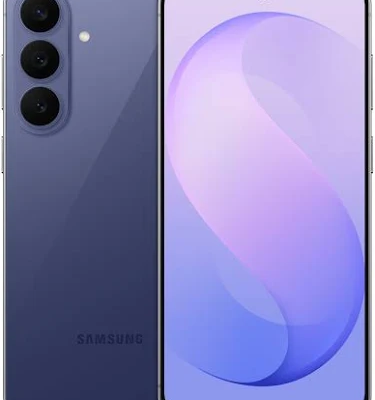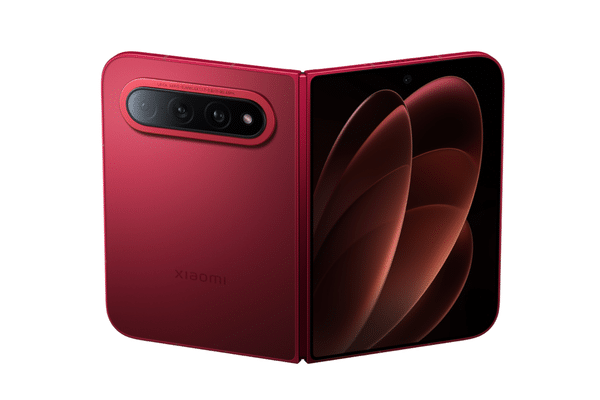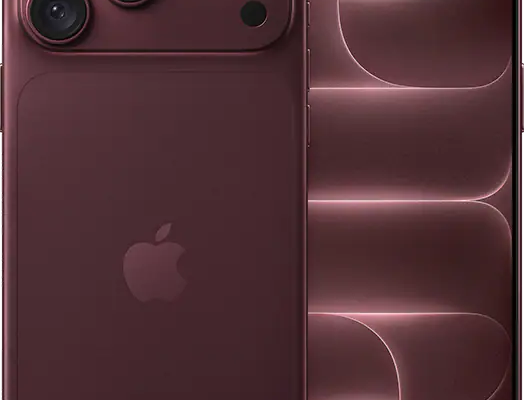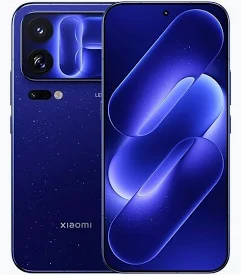
The Xiaomi 18 Pro Max and iPhone 18 Pro Max approach the large flagship phone from different directions. Xiaomi puts a bigger battery, higher charging ratings and high-resolution cameras on its specification sheet. Apple combines iOS with a longer optical telephoto reach and a storage option that goes beyond Xiaomi’s listed maximum.
Neither approach automatically makes one phone better for everyone. The useful question is which differences match the way you use your phone. This comparison uses our existing Xiaomi 18 Pro Max and iPhone 18 Pro Max specification records, supplemented by the official sources linked below. It is a specification comparison, not a hands-on test; regional variants need checking before purchase.
Design: equally large, but different in weight
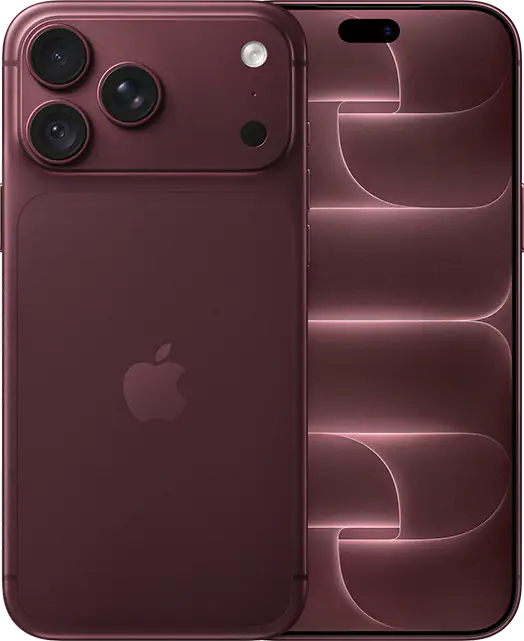
Both records list a height of 163.4mm, so neither is the compact choice. Xiaomi is listed at 77.6mm wide and approximately 8.4mm thick, compared with 78mm and 8.8mm for the iPhone. Those small dimensional differences are unlikely to change the basic experience of carrying a large phone.
The weight difference is more noticeable on paper: Xiaomi is listed at 235g or 240g depending on version, while the iPhone is 249g. That puts Xiaomi 9–14g lighter before adding a case. It may matter during long reading sessions, although shape and grip also affect comfort. Both use aluminium frames; choosing between them should involve more than the material name.
Displays: the same size, different extras
| Display | Xiaomi 18 Pro Max | iPhone 18 Pro Max |
|---|---|---|
| Main screen | 6.9-inch LTPO AMOLED | 6.9-inch LTPO OLED |
| Refresh rate | 120Hz | 120Hz |
| Resolution | 1208 × 2624 | 1320 × 2868 |
| Listed pixel density | 418ppi | 460ppi |
The shared screen size gives both phones plenty of room for video, maps and reading. The iPhone’s higher listed pixel density means more pixels in a similar area, but it does not establish a dramatic everyday sharpness advantage without viewing both displays.
Xiaomi also lists a 2.9-inch rear display on its official Chinese store page. That is a separate design feature worth considering beyond the main-screen numbers. Its usefulness will depend on the supported functions and how often you actually use them.
Performance and software: choose the platform first
Our records list Snapdragon 8 Elite Extreme Gen 6 with Android 17 and HyperOS 4 for Xiaomi, and A20 Pro with iOS 27 for Apple. These are different software platforms as well as different processors.
Xiaomi is one of the First phones to get the latest and most powerful Snapdragon Chipset yet.
Your essential apps, existing purchases and preferred interface are more useful starting points. A switch between Android and iOS can affect your daily routine more than a processor specification. Check the features you need in your language and region instead of assuming every advertised software feature is available everywhere.
Xiaomi 18 Pro Max Camera vs iPhone 18 Pro Max
| Camera | Xiaomi 18 Pro Max | iPhone 18 Pro Max |
|---|---|---|
| Main | 200MP | 48MP, variable aperture |
| Telephoto | 200MP, 3.2× optical zoom | 48MP, 4× optical zoom |
| Ultrawide | 50MP | 48MP |
| Front | 50MP | 18MP |
Xiaomi’s recorded camera setup gives it the higher megapixel figures, while Apple’s telephoto has the longer listed optical zoom. These numbers describe different strengths: pixel count is relevant to recorded detail and cropping potential, whereas focal reach changes how tightly you can frame a distant subject optically.
Neither tells us which phone produces cleaner night photos or more reliable shots of moving subjects. Processing, optics and exposure choices still matter. Apple’s variable aperture adds control over how much light enters the main camera, but we would need comparable photographs to judge its practical advantage.
Recording capabilities is 8K at 30fps for Xiaomi and 4K modes up to 120fps for both phones. Those are available recording modes, not evidence that every lens supports every mode or that one phone has better stabilisation. Check the exact camera and mode you intend to use before choosing a phone for video.
Battery and charging: Xiaomi leads the listed figures
Xiaomi has 8,500mAh battery. The iPhone has two battery sizes, 5,391 and 5,567mAh rather than a single capacity. This is because iPhone has a US variant that does not have a simcard slot and global version with sim slot (smaller battery)
The recorded charging ratings are 100W wired and 50W wireless for Xiaomi, versus 60W wired and 25W wireless for Apple. Xiaomi therefore has the higher numbers in this comparison.
They are not measured charging times: compatible equipment, temperature and the charging curve influence how quickly a phone actually fills, so take the numbers with a grain of salt.
Likewise, a larger battery does not translate directly into a proportional increase in runtime across different platforms. Comparable endurance and full-charge tests are unavailable in the sources used for this draft. Xiaomi’s China-market battery specification should also be checked against any international model before purchase.
Storage and everyday convenience
Both device records start at 256GB and list no memory-card expansion. Xiaomi reaches 1TB, with 12GB or 16GB RAM configurations. The iPhone reaches 2TB, with 12GB RAM listed across its storage options. The extra storage ceiling may matter more than RAM figures if you keep large video files locally.
For unlocking, Xiaomi’s record lists an ultrasonic fingerprint reader under the display; Apple uses Face ID. Both list NFC and 5G, while Xiaomi also lists an IR blaster. These small daily interactions can be more relevant to your choice than a specification you rarely use.
Price and availability: no like-for-like value verdict yet
Apple’s US launch announcement lists the iPhone 18 Pro Max from US$1,299, with storage starting at 256GB.
Xiaomi’s database price is blank. Its Chinese store is available, but a verified international price and market-by-market availability are not established here. We therefore leave regional pricing unavailable rather than turn a Chinese price into a supposed US, European or UK retail price. A fair value comparison needs the same storage tier and a confirmed offer in the market where you will buy.
Which should you choose?
Consider Xiaomi if you prefer Android and prioritise its listed battery capacity, higher charging ratings and distinctive rear display. Consider the iPhone if you prefer iOS, need the 2TB storage option, or favour the longer listed optical telephoto reach.
There is no supported overall camera, performance or battery-life winner yet. The specifications show where the phones differ; your regional model, actual price and the features you use most should decide which differences are worth paying for.