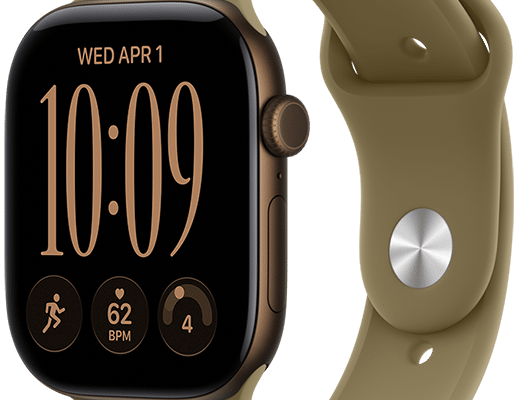
Apple announced the Apple Watch Ultra 4 on September 9, 2026, as its latest rugged smartwatch designed for athletes, adventurers, and outdoor enthusiasts. The device became available in stores on September 18, 2026, following pre-order availability starting on announcement day.
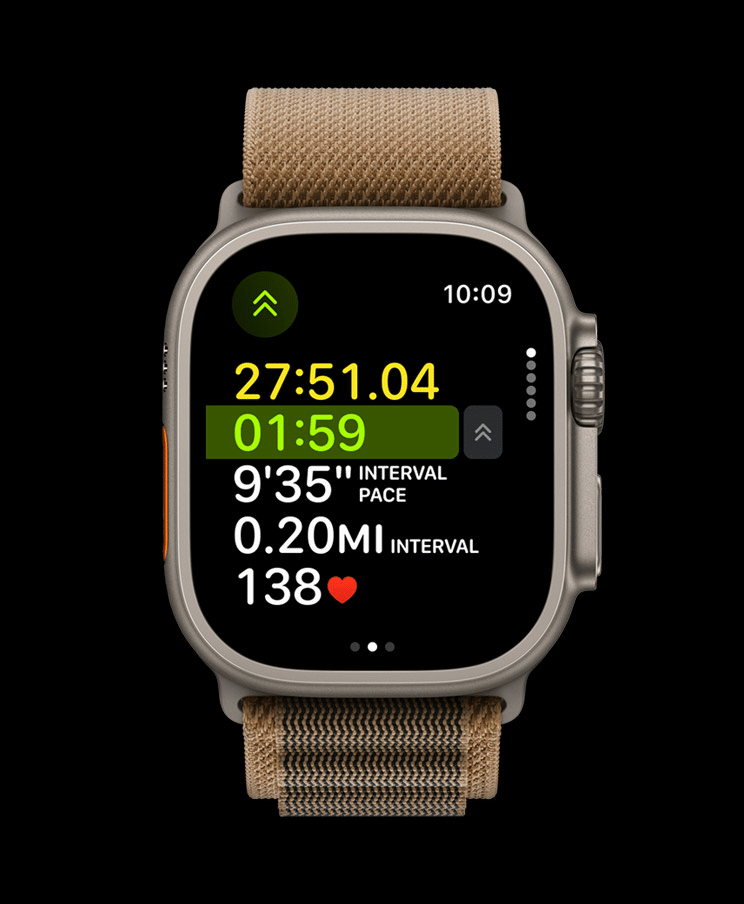
It retains the core design language of previous Ultra models while introducing internal upgrades focused on health sensing accuracy, battery endurance, and on-device processing.
This article covers the complete technical specifications, key features, pricing details, updates related to the Apple Health app, and a direct comparison with the Apple Watch Ultra 3.
Launch Date and Pricing
Apple unveiled the Apple Watch Ultra 4 during its September 2026 event. Pre-orders opened the same day in the United States and more than 50 other countries and regions. Retail availability began on Friday, September 18, 2026.
The starting price remains $799 in the United States, matching the launch price of the Ultra 3. Configurations include natural titanium and black titanium finishes.
Apple also offers Hermès editions starting higher, depending on the band selected.
A lighter and smaller or less rugged version called Apple Watch Series 12 was also announced at the event.
Design and Build
The Apple Watch Ultra 4 uses a 49 mm Grade 5 titanium case measuring 49 x 44 x 12 mm. Weight is listed at 63.0 grams for the natural finish and 63.1 grams for black.
The case continues to use flat sapphire crystal on the front and a ceramic/zirconia back.
It is rated for 100 meters of water resistance under ISO 22810:2010 standards and certified for recreational scuba diving to 40 meters under EN13319. The watch also meets IP6X dust resistance and MIL-STD-810H testing criteria.
Hardware controls remain familiar: a customizable Action button, Digital Crown, and side button. Dual speakers and a three-microphone array with beamforming are retained for calls, media, and the built-in siren.
Display Specifications
The Always-On Retina display uses LTPO3 wide-angle OLED technology with a resolution of 422 by 514 pixels and approximately 326 pixels per inch.
Peak brightness reaches 3,000 nits, with a minimum of 1 nit. Night Mode remains available for selected Ultra watch faces. The display area measures 1,245 square millimeters.
Processor, Storage, and Connectivity
The Ultra 4 is powered by the S11 chip, which includes a 64-bit dual-core processor and a 4-core Neural Engine. Storage capacity is 64 GB.
The chip enables on-device features such as Audio Intelligence, including Sound Recognition, Live Rewind, Siri Recap, and Shazam detection, processed via a Secure Exclave.
Connectivity options include precision dual-frequency GPS, 5G cellular, Wi-Fi, Bluetooth 5.3, and satellite support for Emergency SOS, Messages, and Find My (with two years of service included). Second-generation Ultra Wideband is also present for Precision Finding of a paired iPhone.
Apple Watch Ultra 4 Battery Life
Apple rates the Ultra 4 for up to 50 hours of normal use and up to 84 hours in Low Power Mode. Outdoor workout tracking with continuous GPS and heart rate reaches up to 18 hours.
Extended Workout mode supports up to 25 hours, while the new Max Extended Workout mode extends to 45 hours with one-second GPS intervals, aimed at longer endurance events such as 100-mile races.
Fast charging reaches approximately 80 percent in about 45 minutes. A 15-minute charge provides up to 18 hours of normal use, and a 5-minute charge supports up to 10 hours of sleep tracking.
Health Sensing System and Sensors
The most notable internal change is the redesigned Health Sensing System. It combines a second-generation electrical heart sensor with an always-on optical heart sensor that uses larger, more efficient green LEDs and rearranged photodiodes.
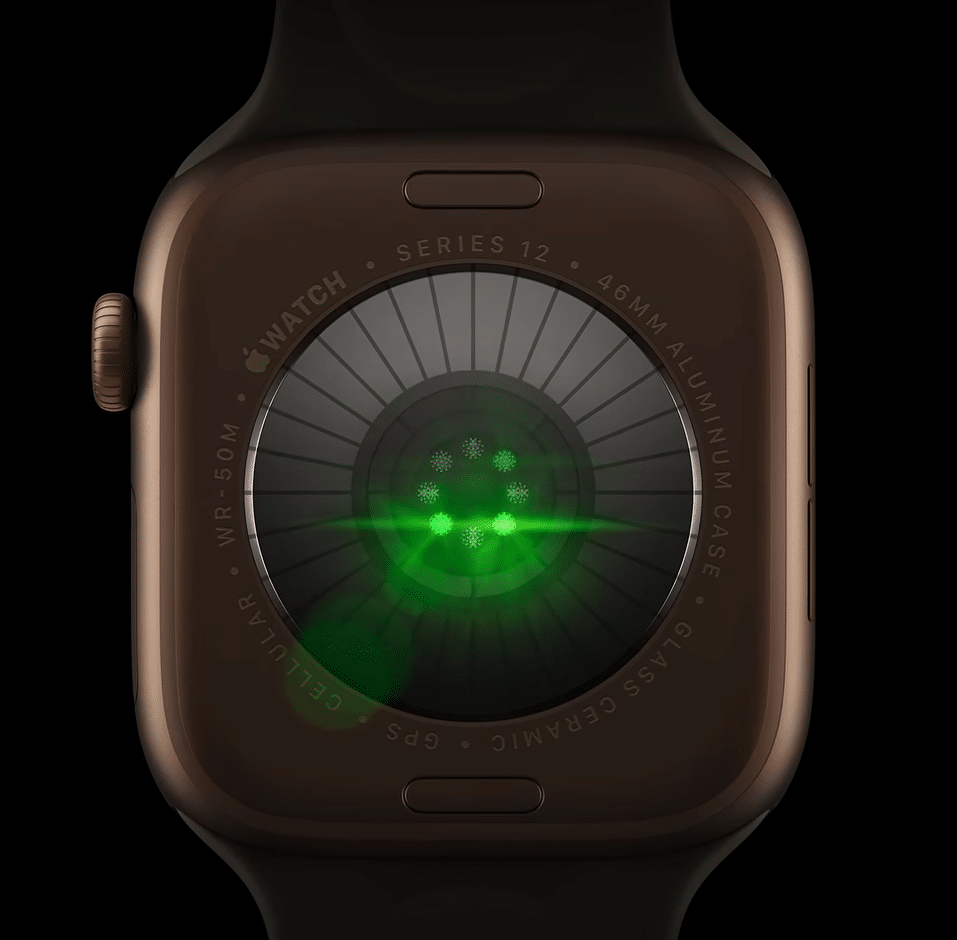
Background heart rate readings occur every five seconds. Heart rate variability (HRV) is measured more frequently—up to 24 times more often than previous models—supporting both recovery HRV and overall HRV views.
Additional sensors include a blood oxygen sensor, temperature sensor, depth gauge, water temperature sensor, compass, always-on altimeter, high-g accelerometer, high dynamic range gyroscope, and ambient light sensor.
Existing capabilities such as ECG, irregular rhythm notifications, high and low heart rate alerts, sleep apnea notifications, and hypertension notifications remain available where regionally supported.
New Readiness Feature
Readiness analyzes recent activity, training load, vitals, and sleep data to generate a daily score from 0 to 10. Recommendations include Recover, Pace Yourself, Ready, or Go For It. The score can update throughout the day as new data arrives.
Apple Health App Updates
A redesigned Health app on iPhone is scheduled for later in 2026. Planned additions include a Longevity tab featuring a Health Age metric that compares certain fitness and biometric indicators against chronological age.
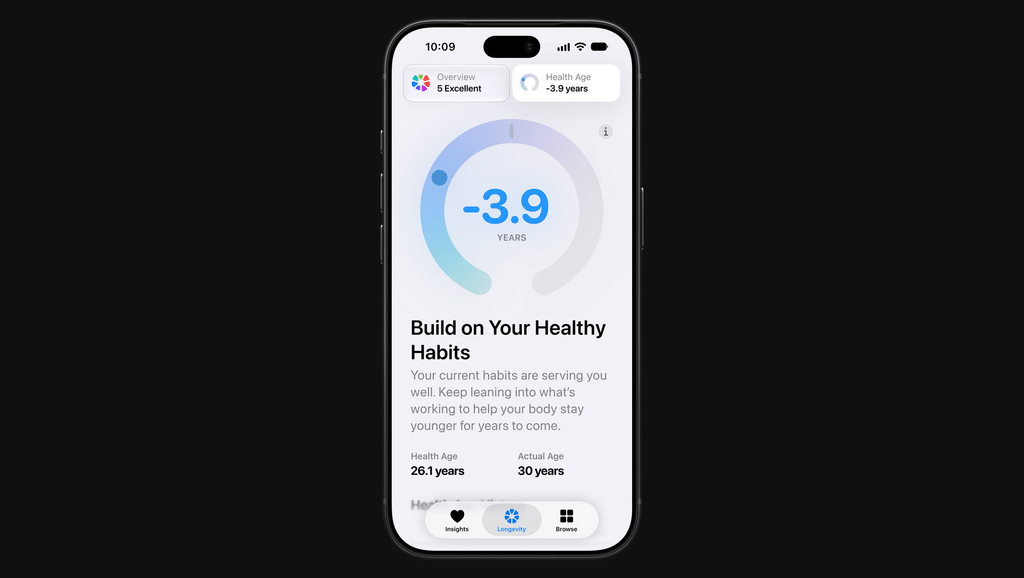
An Insights tab is expected to surface Apple Intelligence-generated summaries, personalized guidance, and recommendations. Users will be able to enter or sync lab results and medical records. Additional tools such as a guided VO2 max test using the iPhone camera alongside the watch are planned.
Overnight Vitals now incorporate recovery HRV compared against a personal baseline, and a daytime view allows comparison of metrics across periods.
Fitness and Outdoor Features
Precision dual-frequency GPS is described by Apple as the most accurate on-device GPS in a sports watch. Workout tracking supports continuous heart rate and GPS for extended durations via the new modes noted above.
Depth and water temperature sensors continue to support diving activities up to the certified limits. The Action button remains customizable for quick access to workouts, waypoints, or other functions.
Apple Watch Ultra 4 vs Ultra 3
| Specification | Apple Watch Ultra 4 | Apple Watch Ultra 3 |
|---|---|---|
| Launch Price (US) | From $799 | From $799 |
| Chip | S11 | S10 |
| Case Size / Material | 49 mm Grade 5 titanium | 49 mm Grade 5 titanium |
| Weight (approx.) | 63.0–63.1 g | 61.6–61.8 g |
| Display | LTPO3 OLED, 422 × 514, up to 3,000 nits | LTPO3 OLED, 422 × 514, up to 3,000 nits |
| Normal Battery Life | Up to 50 hours | Up to 42 hours |
| Low Power Mode | Up to 84 hours | Up to 72 hours |
| Outdoor Workout | Up to 18 hours | Lower (not identically rated) |
| Max Extended Workout | Up to 45 hours | Not available |
| 15-Minute Charge Benefit | Up to 18 hours normal use | Up to 12 hours normal use |
| Heart Rate Sampling | Every 5 seconds (background) | Less frequent |
| HRV Frequency | Significantly higher (up to 24×) | Standard prior frequency |
| Readiness Score | Yes | No |
| Audio Intelligence Features | Yes (Live Rewind, Sound Recognition, etc.) | Limited or absent |
| Water / Dive Rating | 100 m / recreational scuba to 40 m | 100 m / recreational scuba to 40 m |
| Storage | 64 GB | 64 GB |
| Operating System at Launch | watchOS 27 | watchOS 26 |
The primary differences center on the S11 processor, the Health Sensing System enabling higher-frequency measurements and the new Readiness score, extended battery ratings including the Max Extended Workout mode, and faster partial charging benefits. External design, display brightness, water resistance, and base pricing remain consistent with the Ultra 3.
Compatibility and What’s in the Box
The Apple Watch Ultra 4 requires an iPhone 11 or later, or an iPhone SE (2nd generation or later), running iOS 27 or later. It ships with a selected band and the Apple Watch Magnetic Fast Charger to USB-C Cable (1 m).
Summary of Key Specs and Features
The Apple Watch Ultra 4 maintains the established 49 mm titanium form factor while advancing sensor accuracy, battery endurance for multi-day and ultra-endurance use, and on-device AI capabilities through the S11 chip.
Health-related updates emphasize more frequent heart rate and HRV data collection plus the Readiness score.
The redesigned Health app, expected later in the year, adds longer-term metrics such as Health Age and expanded data import options. Pricing starts at the same $799 level as the prior generation, with availability having began on September 18, 2026.