Google has officially unveiled the Pixel 11 series at the 2026 Made by Google event. As the successor to the highly regarded Pixel 10, this new handset brings several noteworthy upgrades—but it also arrives with a higher price tag. If you are currently in the market for a new smartphone, the dilemma is clear: is it worth spending extra for the latest and greatest, or does the previous generation offer better value for your money?
To help you make the most informed decision, we have put together an in-depth, side-by-side comparison of the Google Pixel 11 and Pixel 10 base models.
We break down every major aspect—from design and display to camera performance, battery life, and pricing—so you can see exactly where they differ and where they remain surprisingly similar.
🏗️ Design & Build: Lighter, Slimmer, and More Refined
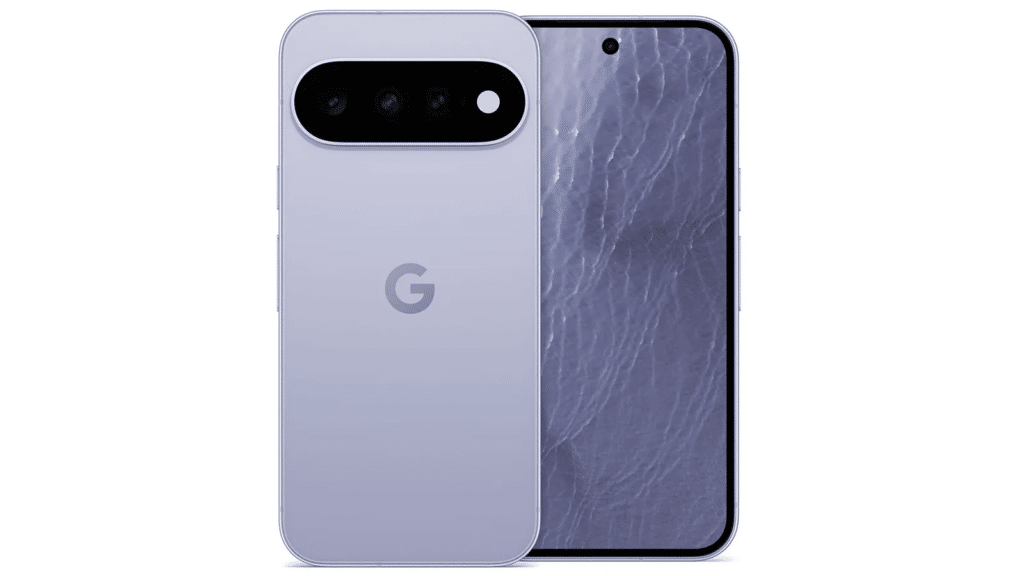
At first glance, the Pixel 11 retains the iconic design language established by the Pixel 10. You still get the signature rounded corners, a premium metal frame, and the distinctive horizontal “camera bar” across the back. However, Google has refined the details significantly this generation.
The most noticeable change is the thinner camera bar. Google claims that the new all-glass camera visor on the Pixel 11 is 40% thinner than its predecessor.
This means less protrusion and a nearly flush fit when you place the phone inside an official case. Additionally, the Pixel 11 debuts an ultrasonic in-display fingerprint sensor, which is generally faster and more reliable than the optical sensor used in the Pixel 10.
In terms of dimensions, both phones are nearly identical (152.8 x 72.0 x 8.6mm). However, Google has managed to shave off a few grams—the Pixel 11 weighs 197 grams, compared to the Pixel 10’s 204 grams.
While not a huge difference, it does make the new model feel slightly more comfortable in the hand. Both devices maintain the durable IP68 rating for dust and water resistance.
| Feature | Pixel 10 | Pixel 11 |
|---|---|---|
| Materials | Metal frame + Glass back | Metal frame + Glass back |
| Camera Bar Design | Protruding visor | All-glass visor, 40% thinner with reduced protrusion |
| Weight | 204 grams | 197 grams (7g lighter) |
| Dimensions | 152.8 x 72.0 x 8.6mm | Virtually identical to Pixel 10 |
| Water & Dust Resistance | IP68 | IP68 |
| Fingerprint Sensor | Optical in-display | Ultrasonic in-display (faster & more reliable) |
| Color Options | Obsidian, Porcelain, Sage, Lemongrass | Frost, Obsidian, Hibiscus, Pistachio |
📱 Display: Virtually Identical
If you were hoping for a massive leap in display technology, the Pixel 11 might leave you a bit underwhelmed. In this department, Google has chosen to stick with a winning formula, and the specifications are nearly identical across both generations.
Both the Pixel 10 and Pixel 11 feature a 6.3-inch OLED panel (Google calls it the “Actua” display on the Pixel 10). The resolution and refresh rate are exactly the same: a crisp 1080 x 2424 pixels (Full HD+) with a 60-120Hz adaptive refresh rate for smooth scrolling and power efficiency.
Peak brightness also remains unchanged at a stellar 3,000 nits, ensuring excellent outdoor visibility under direct sunlight.
Simply put, if you are looking for a screen upgrade, you will not find it here. The Pixel 11 inherits the brilliant display of its predecessor but does not push the envelope further.
| Feature | Pixel 10 | Pixel 11 |
|---|---|---|
| Screen Size | 6.3 inches | 6.3 inches |
| Panel Type | OLED (Actua Display) | OLED (AMOLED) |
| Resolution | 1080 x 2424 | 1080 x 2424 |
| Refresh Rate | 60-120Hz Adaptive | 60-120Hz Adaptive |
| Peak Brightness | 3,000 nits | 3,000 nits |
| Screen Protection | Corning Gorilla Glass | Corning Gorilla Glass Victus 2 |
📸 Pixel 11 vs Pixel 10 :Camera Comparison
The camera has always been the heart of the Pixel experience, and the Pixel 11 does not disappoint. While the lens setup appears similar on paper, there are significant upgrades to the internal sensor and AI processing capabilities.
Camera Hardware Comparison
Both phones sport a triple-rear camera system, but the main sensor is different.
- Main Camera: The Pixel 11 uses a larger 48MP sensor that captures 56% more light than the Pixel 10’s 48MP sensor. It also features a slightly wider field of view.
- Ultrawide & Telephoto: The 13MP ultrawide and 10.8MP telephoto (5x optical zoom) lenses remain identical.
Camera Capabilities Comparison
The larger sensor, combined with the new Tensor G6 chip, delivers tangible real-world improvements:
- Zoom Range: The Pixel 11’s Super Res Zoom is enhanced to 30x, compared to the Pixel 10’s 20x limit. This means you can capture significantly clearer shots of distant subjects.
- Low-Light Photography: Thanks to that larger main sensor, the Pixel 11 excels in dim environments, producing brighter and more detailed night shots.
- AI Features: The Pixel 11 introduces an exclusive Magic Capture mode, which uses generative AI to extract the best still frames from live video footage.
| Feature | Pixel 10 | Pixel 11 |
|---|---|---|
| Main Camera | 48MP sensor | 48MP larger sensor (56% more light) |
| Ultrawide Lens | 13MP | 13MP |
| Telephoto Lens | 10.8MP, 5x Optical Zoom | 10.8MP, 5x Optical Zoom |
| Front Camera | 10.5MP | 10.5MP |
| Max Zoom | Super Res Zoom up to 20x | Super Res Zoom up to 30x |
| AI Photography | Standard Pixel AI features | Exclusive Magic Capture & enhanced AI |
💻 Software: New Chip, New Android, and Long-Term Support
This is one of the areas where the Pixel 11 and Pixel 10 differ the most—thanks to a new processor, a newer OS, and updated security hardware.
- Processor: The Pixel 11 debuts the Tensor G6 chip, while the Pixel 10 runs on the Tensor G5. Google claims a 25% performance boost with the G6. More importantly, the Pixel 11 abandons Samsung’s Exynos modem in favor of a MediaTek modem, which is expected to solve connectivity and heating issues reported by some Pixel 10 users.
- Operating System: The Pixel 11 ships with the latest Android 17 out of the box, whereas the Pixel 10 runs on Android 16.
- Security: The Pixel 11 features the upgraded Titan M3 security chip, while the Pixel 10 uses the Titan M2.
- Longevity: This is a major point of similarity. Google has committed to providing 7 years of OS and security updates for both the Pixel 10 and Pixel 11. This means that regardless of which device you choose, you will enjoy the latest Android features for nearly a decade.
| Feature | Pixel 10 | Pixel 11 |
|---|---|---|
| Processor | Google Tensor G5 | Google Tensor G6 |
| Modem | Samsung Exynos | MediaTek (Brand new) |
| Security Chip | Titan M2 | Titan M3 |
| Launch OS | Android 16 | Android 17 |
| Update Commitment | 7 Years of OS & Security Updates | 7 Years of OS & Security Updates |
💾 Storage Options: Double the Base Capacity
Google has made a strategic shift in storage configurations, which directly impacts the price.
- Pixel 10: Available in 128GB and 256GB variants.
- Pixel 11: Google has eliminated the 128GB tier entirely. The base model now starts at 256GB, with a 512GB option also available.
This means that while the “starting price” of the Pixel 11 appears higher, you are effectively getting double the storage for your money right out of the box.
| Feature | Pixel 10 | Pixel 11 |
|---|---|---|
| Base Storage | 128GB | 256GB (Doubled) |
| Max Storage | 256GB | 512GB |
| RAM | 12GB | 12GB |
🔋 Battery & Charging: Minor Capacity Change, Major Wireless Boost
Battery and charging are where the Pixel 11 brings some welcome improvements, although the headline numbers might not tell the whole story.
- Battery Capacity: The Pixel 11 packs a 4,985mAh battery, which is only a marginal bump over the Pixel 10’s 4,970mAh. However, thanks to the more efficient Tensor G6 chip, both phones are rated for “over 30 hours” of battery life.
- Wired Charging: Both devices support 30W wired fast charging.
- Wireless Charging: This is the most significant upgrade in this category. The Pixel 11 supports the new Qi2.2 standard, enabling 25W wireless charging—a 25% increase over the Pixel 10’s 15W Qi2 charging.
| Feature | Pixel 10 | Pixel 11 |
|---|---|---|
| Battery Capacity | 4,970mAh | 4,985mAh (Negligible increase) |
| Rated Battery Life | 30+ Hours | 30+ Hours |
| Wired Charging | 30W | 30W |
| Wireless Charging | 15W Qi2 | 25W Qi2.2 (25% faster) |
💰 Pixel 11 Price vs Pixel 10
Pricing is often the deciding factor, so let’s break down the numbers.
- Pixel 10 Launch Price: Started at $799 for the 128GB model.
- Pixel 11 Launch Price: Starts at $899 for the 256GB model.
On the surface, the Pixel 11 is $100 more expensive. However, when you factor in that the base storage has doubled from 128GB to 256GB, the 256GB variant of the Pixel 11 is priced exactly the same as the 256GB variant of the Pixel 10 was at launch. This means Google has effectively offered “more for the same price,” while simply raising the minimum entry point.
| Feature | Pixel 10 | Pixel 11 |
|---|---|---|
| Starting Price (Launch) | $799 (128GB) | $899 (256GB) |
| Same-Capacity Price | $899 (256GB variant) | $899 (256GB variant) |
💎 Should You Upgrade or Save?
Overall, the Google Pixel 11 represents a meaningful “S” year upgrade. It retains the elegant design, excellent display, and long-term software commitment of the Pixel 10 while delivering tangible improvements in several key areas:
- Refined Design: A slimmer camera bar and lighter chassis.
- Superior Camera: A light-gathering main sensor and an enhanced 30x zoom capability.
- Better Performance: The new Tensor G6 chip paired with Android 17.
- Faster Wireless Charging: Upgraded to 25W Qi2.2 support.
Who should buy the Pixel 11?
- Tech enthusiasts who want the absolute latest camera and AI features.
- Heavy users who need the 256GB base storage and faster wireless charging.
- Anyone looking for improved connectivity and the newest processor.
Who should buy the Pixel 10?
- Budget-conscious buyers, especially as the Pixel 10 will see significant discounts following the Pixel 11 launch.
- Users who are perfectly content with 15W wireless charging and 20x zoom.
- Those who find 128GB of storage adequate for their needs and do not require the raw power of the Tensor G6.
Given that both the Pixel 10 and Pixel 11 are guaranteed to receive 7 years of system updates, you can rest assured that whichever model you choose, you will be investing in a secure, fast, and future-proof Android experience for years to come. The final choice ultimately comes down to your budget and how much you value the newer features.