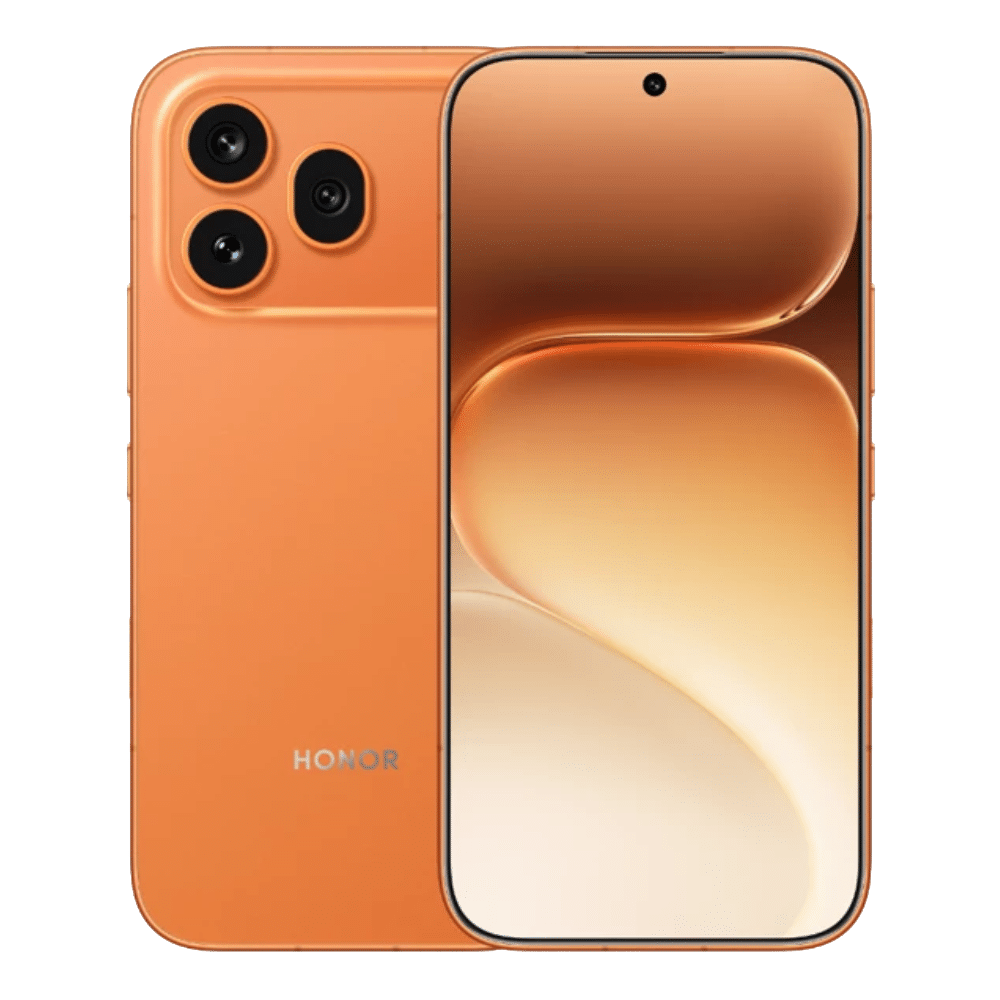
The Samsung Galaxy Z Fold8 Ultra vs Fold7 comparison follows the evolution of Samsung’s large book-style foldable from 2025 to 2026. The Ultra name is new, but the familiar 8-inch inner display, 6.5-inch cover display and 215g weight remain.
The biggest hardware changes are a sharper inner screen, a 50MP ultrawide camera, a newer Snapdragon processor and a larger battery with faster charging. The following comparison uses European configurations, including the matching 256GB, 512GB and 1TB storage options.
Design and Build: Almost Identical Dimensions
Galaxy Z Fold8 Ultra measures 158.4 × 72.8 × 8.9mm when folded, exactly matching Fold7’s dimensions. Both weigh 215g. When open, the newer phone is marginally thinner at 4.1mm rather than 4.2mm, while height and width remain unchanged.
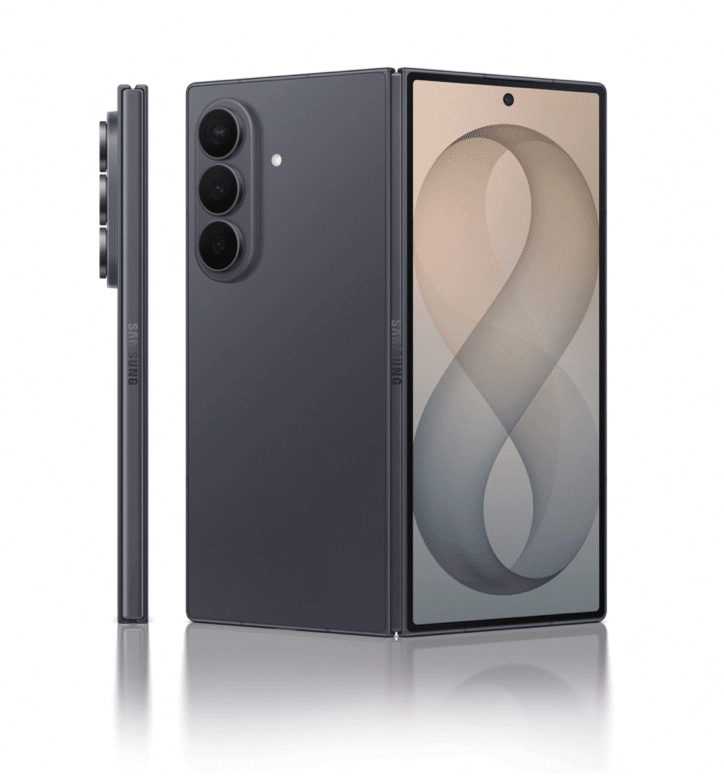
Both use an aluminium frame and Gorilla Glass Victus 2 on the back. Cover-screen protection advances from Gorilla Glass Ceramic 2 to Ceramic 3. IP48 protection carries over; this rating does not mean either phone is dust-tight against fine particles.
| Feature | Galaxy Z Fold8 Ultra | Galaxy Z Fold7 |
|---|---|---|
| Folded dimensions | 158.4 × 72.8 × 8.9mm | 158.4 × 72.8 × 8.9mm |
| Open thickness | 4.1mm | 4.2mm |
| Weight | 215g | 215g |
| Cover glass | Gorilla Glass Ceramic 3 | Gorilla Glass Ceramic 2 |
| Protection | IP48 | IP48 |
Display: More Pixels in the Same 8-Inch Space
Both phones open into an 8-inch Dynamic AMOLED 2X display, but Fold8 Ultra increases the resolution from 2184 × 1968 to 2504 × 2256. Pixel density rises from 368ppi to 422ppi, adding detail without enlarging the screen.
The 6.5-inch cover display retains its 2520 × 1080 resolution. Both generations support adaptive refresh rates up to 120Hz. Samsung rates the newer phone’s peak brightness at 3,000 nits, compared with 2,600 nits, and adds an anti-reflective treatment to the main screen.
The screen sizes remain well suited to moving between a conventional phone view and a larger workspace. Neither model supports the S Pen, so stylus input is not an added benefit of the Ultra branding.
| Feature | Galaxy Z Fold8 Ultra | Galaxy Z Fold7 |
|---|---|---|
| Main display | 8-inch Dynamic AMOLED 2X | 8-inch Dynamic AMOLED 2X |
| Main resolution | 2504 × 2256; 422ppi | 2184 × 1968; 368ppi |
| Cover display | 6.5-inch; 2520 × 1080 | 6.5-inch; 2520 × 1080 |
| Refresh rate | Up to 120Hz | Up to 120Hz |
| Rated peak brightness | 3,000 nits | 2,600 nits |
Cameras: The Ultrawide Gets the Main Upgrade
Rear Camera Hardware
The main camera remains a 200MP unit with an f/1.7 lens and optical stabilisation. The 10MP telephoto also retains its f/2.4 aperture, optical stabilisation and 3x optical magnification. Those two cameras preserve the core wide-angle and portrait-zoom arrangement.
The ultrawide changes from 12MP with an f/2.2 lens to 50MP with an f/1.9 lens. This is the clearest rear-camera hardware upgrade, providing a higher-resolution sensor and a wider aperture. Final image quality still depends on processing and shooting conditions, rather than megapixels alone.
Selfies and Video
Both phones have a 10MP camera on the cover and another 10MP camera inside. They also retain rear 8K recording and front-facing 4K recording. The extra Ultra label therefore does not increase the resolution of either selfie camera.
| Feature | Galaxy Z Fold8 Ultra | Galaxy Z Fold7 |
|---|---|---|
| Main camera | 200MP, f/1.7, OIS | 200MP, f/1.7, OIS |
| Ultrawide | 50MP, f/1.9 | 12MP, f/2.2 |
| Telephoto | 10MP, 3x optical, OIS | 10MP, 3x optical, OIS |
| Cover / inner cameras | 10MP / 10MP | 10MP / 10MP |
| Rear maximum resolution | 8K video | 8K video |
Processor: A Newer Snapdragon Platform
Fold8 Ultra uses Snapdragon 8 Elite Gen 5 for Galaxy, replacing Snapdragon 8 Elite for Galaxy. Both are eight-core 3nm processors, with the newer model moving from Adreno 830 to Adreno 840 graphics.
The processor change supports the new generation’s application, imaging and AI workloads. It is a platform upgrade rather than a change in the foldable’s basic purpose: both remain large-screen devices for multitasking, editing and entertainment. Sustained speed still depends on workload and thermal conditions.
| Feature | Galaxy Z Fold8 Ultra | Galaxy Z Fold7 |
|---|---|---|
| Processor | Snapdragon 8 Elite Gen 5 for Galaxy | Snapdragon 8 Elite for Galaxy |
| Manufacturing process | 3nm | 3nm |
| CPU cores | 8 | 8 |
| Graphics | Adreno 840 | Adreno 830 |
Software and Updates: Android 17 at Launch
Fold8 Ultra launches with Android 17 and One UI 9, following Android 16 and One UI 8 on Fold7. Both support large-screen multitasking and Galaxy AI features, including Circle to Search, Live Translate and Interpreter. Feature availability can change through software updates.
Samsung’s support commitment remains seven generations of OS upgrades and seven years of security updates. The duration is unchanged, but the newer phone starts a year later and from a newer Android version. Launch versions should not be confused with the latest software currently installed on an updated Fold7.
| Feature | Galaxy Z Fold8 Ultra | Galaxy Z Fold7 |
|---|---|---|
| Launch software | Android 17 / One UI 9 | Android 16 / One UI 8 |
| OS upgrade commitment | 7 generations | 7 generations |
| Security updates | 7 years | 7 years |
| S Pen | Not supported | Not supported |
Storage and RAM: The Same Three Tiers
European configurations pair 256GB or 512GB storage with 12GB RAM, while the 1TB version includes 16GB RAM. The options are the same on both phones, with no increase in maximum capacity.
Neither supports a memory card. Moving to Fold8 Ultra therefore does not automatically add room for photos, videos or applications; that depends on choosing a different storage tier. The 1TB model also retains the highest RAM allocation in the range.
| Feature | Galaxy Z Fold8 Ultra | Galaxy Z Fold7 |
|---|---|---|
| 256GB model | 12GB RAM | 12GB RAM |
| 512GB model | 12GB RAM | 12GB RAM |
| 1TB model | 16GB RAM | 16GB RAM |
| Memory-card expansion | No | No |
Battery and Charging: Larger Capacity and Higher Power
Fold8 Ultra increases battery capacity from 4,400mAh to 5,000mAh. That is an additional 600mAh, or approximately 14%, without increasing the folded dimensions or weight. It is a meaningful capacity improvement, although actual runtime varies with screen use and other workloads.
Wired charging rises from 25W to 45W, and wireless charging increases from 15W to 20W. Reverse wireless charging remains available on both. The newer phone consequently improves both capacity and maximum charging power, rather than trading one for the other.
| Feature | Galaxy Z Fold8 Ultra | Galaxy Z Fold7 |
|---|---|---|
| Typical battery | 5,000mAh | 4,400mAh |
| Wired charging | 45W | 25W |
| Wireless charging | 20W | 15W |
| Reverse wireless | Supported | Supported |
What Has Changed Most?
Fold8 Ultra keeps Fold7’s familiar size and weight while improving the inner display, ultrawide camera, processing platform and battery.
The main camera, optical zoom reach, selfie resolutions and storage tiers remain close. It is a focused hardware revision within the same large book-style foldable format.